
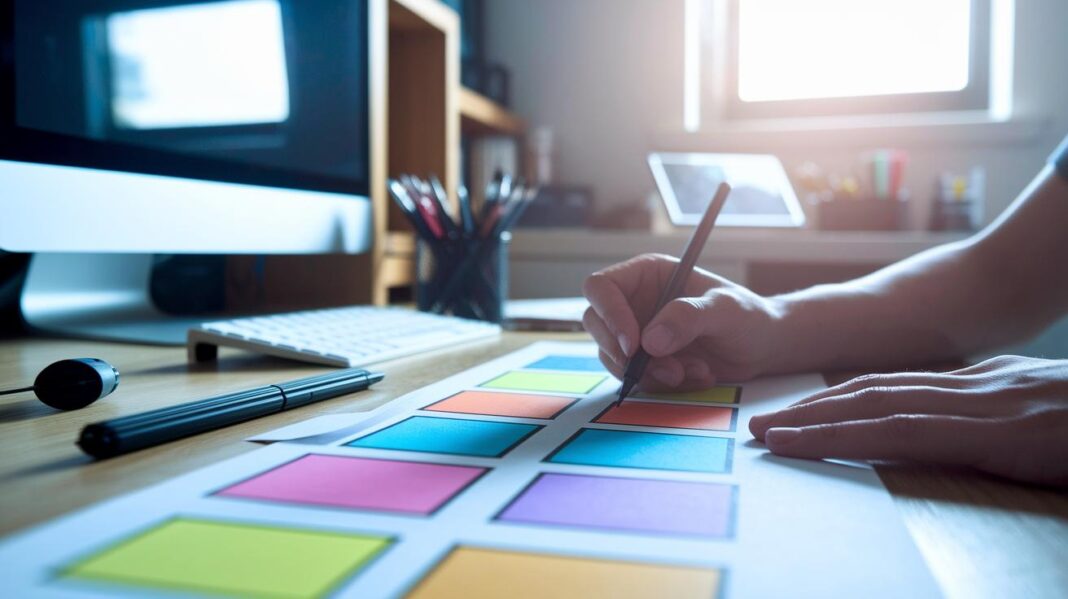

Have you ever wondered how a few pencil strokes turn into the anime we love? Anime production is a blend of art and tech (tools that bring visuals to life) that transforms planning into magic. Writers, artists, and voice actors work as a close-knit team to craft each scene with care. They start by sketching characters and then add digital colors to build a vibrant world for fans to enjoy. In this guide, we take you behind the scenes to see how these creative experts bring our favorite stories to life.
Comprehensive Anime Production Overview

Anime making starts with planning. In pre-production, writers craft scripts, choose the tone, design characters, and decide on a visual style. Think of it as setting up a great adventure where every small detail counts. Artists also create storyboards that map out each shot and camera angle to help set the pace and mood.
Next, the project moves to voice acting. Skilled actors bring the characters to life with their performances, adding the kind of emotion that makes the show feel real. Then, the key animation phase begins. This starts with rough sketches of important scenes, and in-between animators fill in the gaps to create smooth transitions.
At the same time, background art teams work hard to build detailed and immersive scenes. They use lighting and effects to give each scene a rich look and feel. Digital processing follows, where programs like Toon Boom Harmony, Adobe Animate, and TVPaint are used to add color and final touches.
In post-production, music, sound effects, and dialogue are carefully mixed with the visuals. This step makes sure that each scene flows perfectly and the overall timing is just right. Finally, the complete anime is shared on TV, streaming platforms, and DVD, so fans everywhere can enjoy the story. Major studios follow this process to deliver episodes that keep viewers excited for more.
Pre-Production Steps in How Anime Are Made
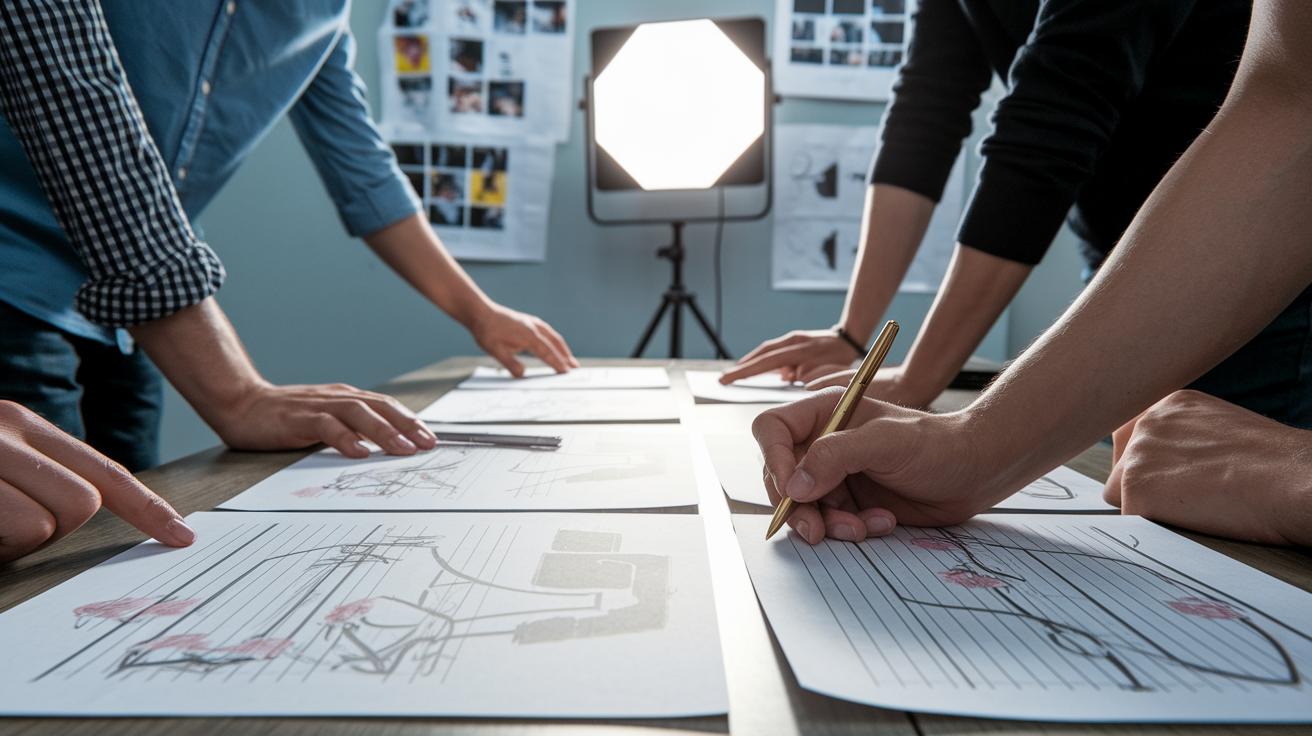
Pre-production is where the fun really starts. Writers and directors work together to shape the script and tighten up the story. They set up character paths and plan each scene with a clear goal. For example, a common method is to decide why a hero acts a certain way, like a secret past that affects all their choices. This planning sets the mood and themes for the whole series.
At the same time, artists create character sketches that show the look, style, and personality of each character. These drawings serve as a guide for consistency in the animation. They become model sheets that help animators capture the right feelings and movements throughout the show.
Detailed storyboards round out this stage. They map out how scenes will look, from camera angles to shot sequences. Think of it like a blueprint that helps everyone know what the final animation should feel like. This step keeps the mood and pace just right for the finished product.
Character Design and Background Creation Techniques in Anime Production

Artists kick off by crafting model sheets that show a character from different angles and moods. This step sets the look and feel of the character for the whole series. A designer might note, "Make sure the character looks happy, sad, or ready for battle," so each expression stays true to who they are. This careful planning makes sure every scene carries the right emotion.
Background artists build the world of the anime by painting detailed settings. They create scenes like a bustling street or a quiet, mysterious forest that match the story's mood. Often, they layer the foreground and background to add depth. Imagine a hero standing before a bright sunset; the layers make the character pop against a soft, colorful sky.
Digital drawing software speeds up the creative process. Programs like Clip Studio Paint and TVPaint help artists draw clean line art and color with ease. Then, tools like Photoshop add textures and special effects to enhance the scene. Designers blend these tools with traditional drawing skills to create visuals that pull you into the story.
This mix of careful character design and immersive background art turns a storyboard into an anime that feels both heartfelt and visually rich.
Traditional vs. Digital Animation Methods in Anime Production

Traditional hand-drawn anime uses cel animation. Each frame is carefully drawn and painted by hand, giving the art a warm, personal feel that many fans love. Imagine an artist working on every tiny detail of a character's face during an emotional moment. Every line feels special, something digital tools sometimes miss.
Digital animation uses software like Adobe Animate to create vector-based art. This method speeds up production and makes it easy to tweak colors and movements on different layers, similar to editing a digital painting. Sometimes, CGI (computer-generated imagery, where 3D models are used) is mixed in to create scenes with a 3D background behind hand-drawn characters. This adds depth and makes the scenes flow smoothly.
Key animators draw the main poses that set a scene’s mood, while in-between artists fill in the rest to keep the action smooth. In a dramatic action scene, you might see bold key poses followed by detailed work that makes every movement seamless. Digital effects like particle simulations, glows, and filters add extra flair to the visuals.
Using both traditional and digital methods makes the anime production process dynamic. Traditional techniques bring timeless charm, while digital approaches offer speed and unlimited creativity. Together, they ensure that every frame captures the magic that makes anime a unique storytelling art.
Voice Acting and Sound Design in the Anime Creation Process
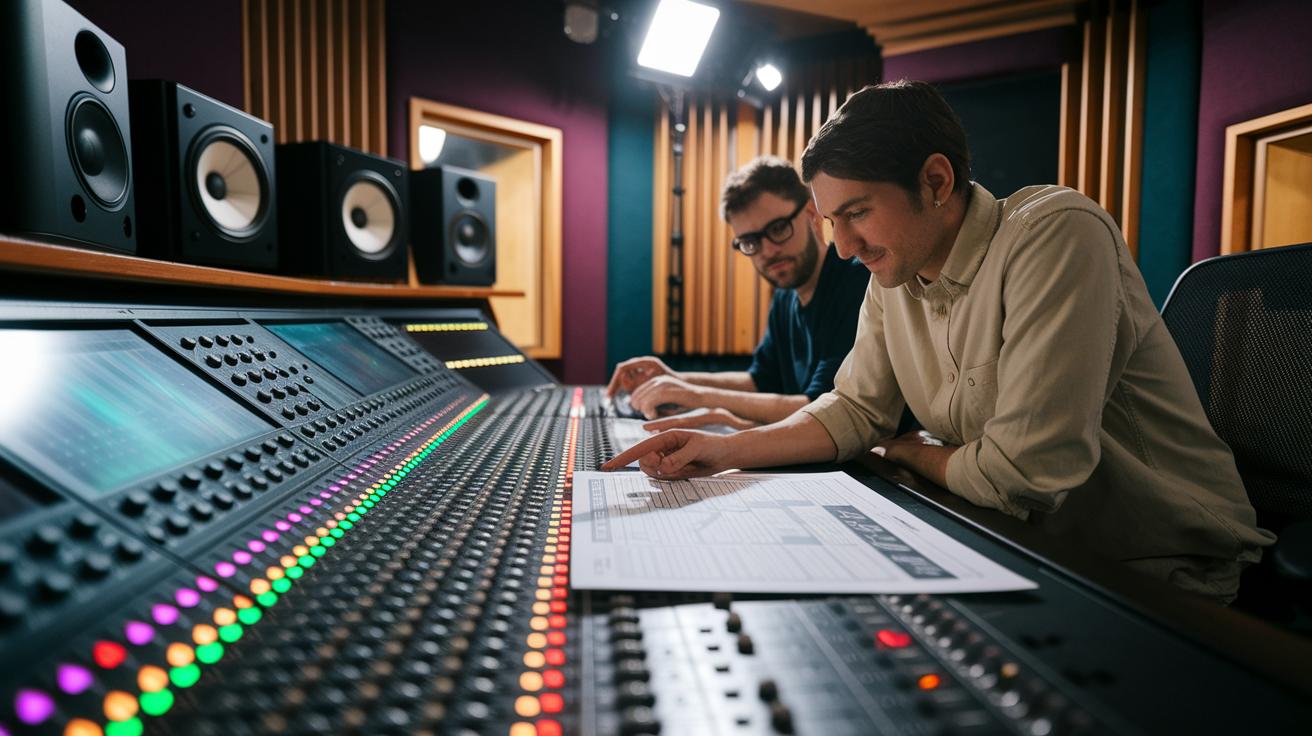
Voice actors work hard to give every character life. They record lines that make scenes feel real. The director helps match these recordings to the storyboard, ensuring each word carries the right emotion. For example, when a character quietly says, "I promise I'll never leave," that small pause makes the promise feel fragile and honest.
The soundtrack team is busy too. Composers create music that fits the scene's mood by choosing the right instruments and digital effects (computer-made sound tweaks). They guide you through moments of suspense or joy. Then, audio engineers mix everything together, balancing dialogue, music, and ambient sounds (background noises like soft wind or distant chatter) to heighten every battle, farewell, or burst of laughter.
Later in production, dubbing adapts the script into other languages while preserving the original feelings. This careful blend of expressive voice acting and well-designed sound turns every scene into an experience that fans can truly feel.
Editing, Post-Production Workflow, and Distribution Channels for Anime
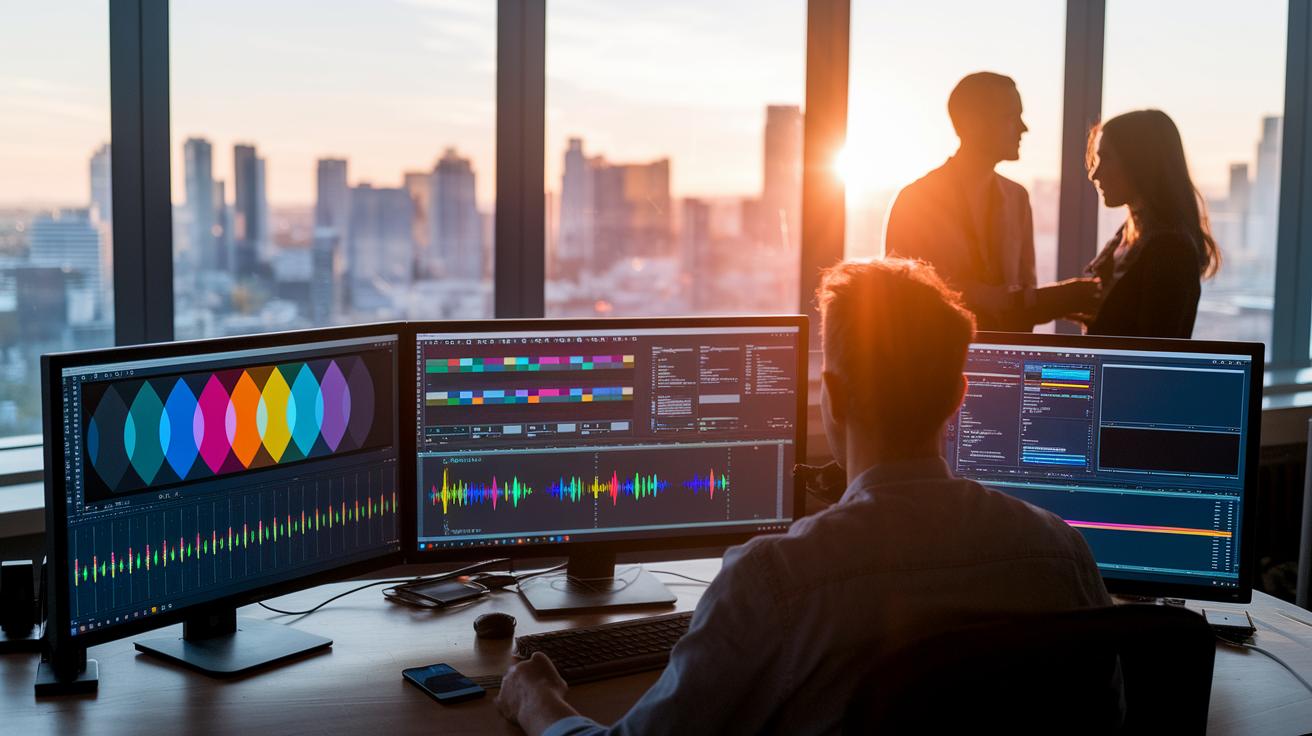
Post-production is where the magic really comes alive. Editors polish every scene, making sure the timing and flow feel just right. They tweak cuts and adjust colors so the whole series looks consistent. Imagine a scene where a sudden sunset sets a different mood, color grading turns that moment into a smooth, natural shift. At the same time, the final audio is lined up perfectly so dialogue, sound effects, and music all work in harmony.
The production schedule is tight. Episodes have specific lengths and fixed air dates, so teams have strict deadlines to meet. Budgets matter, too. They cover everything from staff pay to software licenses and marketing costs. This careful planning makes sure every detail gets the attention it deserves without overspending.
Distribution is just as important as editing. Once the anime is ready, it reaches fans through TV, streaming sites, home video releases, and international licensing. These channels help the anime find its audience around the world. By combining smart editing with careful budgeting and a clear plan for distribution, the post-production team makes sure the anime not only looks and sounds great but also lands in the hands of eager fans everywhere.
- Artists and editors perfect each scene.
- Budgets cover all crucial production needs.
- Distribution spans TV, streaming, and physical releases.
Modern Technologies and Tools Behind Anime Creation

Anime studios now use production tools that mix classic drawing techniques with modern tech. They often use software like Toon Boom Harmony for frame-by-frame animation to make each movement smooth and lively. Programs such as After Effects add digital magic by layering effects, much like adding a secret ingredient to a favorite recipe. Think of it as using a digital brush that blends colors just like mixing paints on a palette.
AI is also stepping in to help with anime creation. New tools powered by AI can fill in extra frames (in-betweening) and handle color jobs quickly. This lets directors and animators focus on creative ideas while the AI takes care of the repetitive bits. Real-time rendering engines show a live preview of complex scenes, almost like watching the sketches dance right before your eyes.
Cloud-based project management tools are key for keeping everyone on the same page. They help directors, animators, and sound engineers work together smoothly and cut down on delays.
Key benefits include:
- Faster work with AI handling repetitive tasks.
- Better scene quality through real-time previews.
- Easier teamwork with cloud collaboration tools.
These modern tools let anime creators blend tradition with cutting-edge innovation to deliver vibrant experiences every time.
Final Words
in the action, we dove deep into every stage of anime creation, from vibrant pre-production plans to intricate post-production editing and distribution. We explored the art of character design, the magic of traditional and digital animation, and the power of voice acting and sound design.
We also highlighted cutting-edge tools and techniques, showing how are anime made with passion and precision. This journey reminds us that every frame holds creativity and human touch, sparking excitement for the next masterpiece.
FAQ
How are anime made step by step?
The process of making anime involves several stages, starting with pre-production (scriptwriting and storyboarding), followed by key animation, in-between frames, voice acting, and finally post-production editing and distribution.
How anime is made using software?
The creation of anime uses software such as Toon Boom Harmony, Adobe Animate, and TVPaint to streamline drawing, coloring, and effects, making the animation process more efficient.
How is anime made so fast?
The fast production of anime is achieved by using digital workflows, efficient software tools, and optimized production pipelines that reduce manual labor while maintaining quality.
How to make anime for free?
Making anime for free starts with free or open-source tools like Blender and OpenToonz, combined with DIY storyboarding and character design to independently create your animated project.
How are Japanese anime made?
Japanese anime is made by combining traditional hand-drawn techniques with modern digital processes, where creators follow a detailed production pipeline from initial concept to final edits.
How is modern anime made?
Modern anime is produced using a mix of digital animation, CGI integration, and even emerging AI tools, alongside classic hand-drawn methods to produce visually dynamic episodes efficiently.
What anime took 7 years to animate?
An anime taking 7 years to animate typically reflects a complex and high-detail production schedule, often seen in films or experimental series where intricate craftsmanship is prioritized.
Which anime got a 9.9 rating?
An anime with a 9.9 rating indicates exceptional quality and viewer approval, rewarding its outstanding storytelling, animation quality, and overall production values.
What does “oi oi oi” mean in anime?
The phrase “oi oi oi” in anime is used as an attention-grabbing exclamation, adding a playful or dramatic tone during conversations or humorous scenes.
Is anime fully hand-drawn?
While some anime use traditional hand-drawn techniques, many productions today mix hand-drawn art with digital coloring and effects to enhance efficiency and overall visual appeal.