



Ever thought about turning your love for fighting games into a real pro esports team? Building a team goes beyond just gathering players; it is a lot like making a battle plan where every step counts.
You need to plan every little detail. That means setting up a budget for salaries and gear and finding a safe place to practice. In this guide, we walk you through each step so you can build a team that not only competes but wins. Ready to go all in and make your mark in esports?
Foundational Framework for a Fighting Game Esports Team
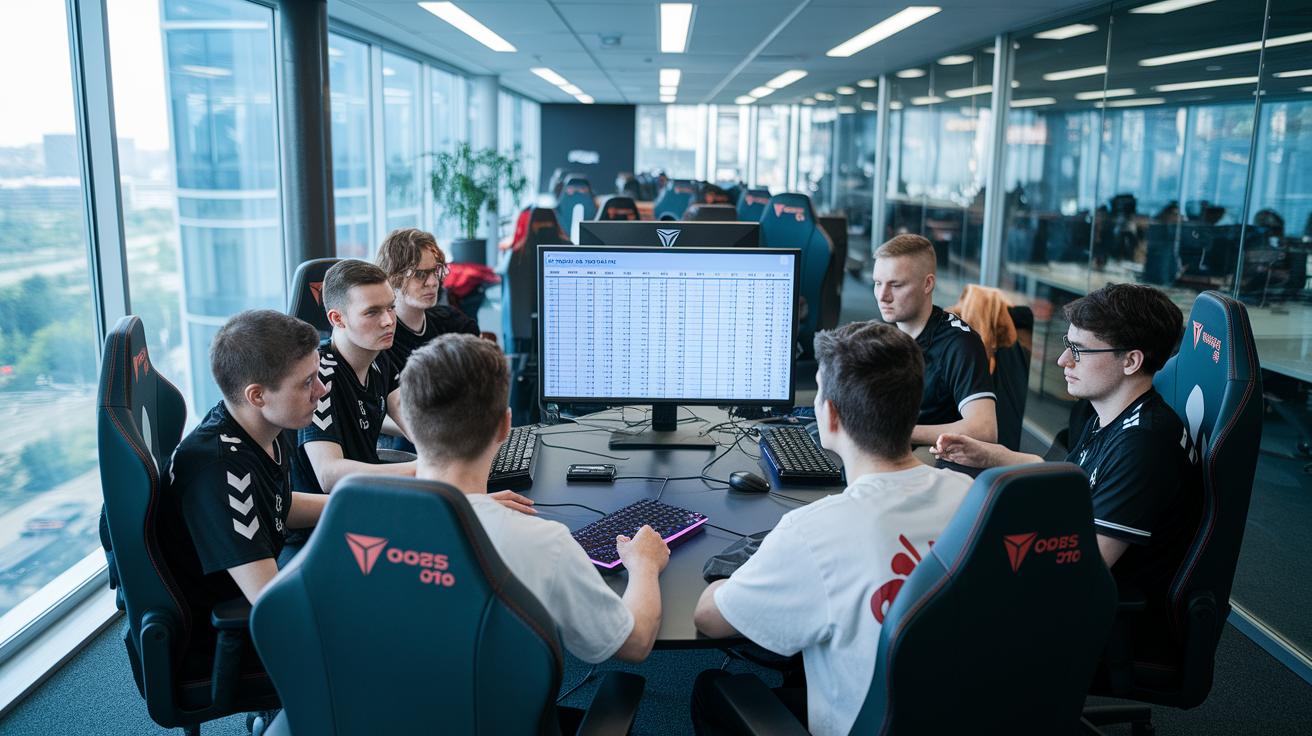
Success in esports starts with a smart plan. You need to budget for player salaries, coach fees, manager costs, and even team housing and training spaces. Without a solid money plan, running your team can quickly become unsustainable.
Bring together fighting game fans who share your strong vision. Think of your team as a battle plan, a mix of skill and commitment. Remember, before every win, even the greatest champions had to start as underdogs.
Before you move ahead, get a clear look at your budget. Fire up an Excel sheet and list all your costs, like venue fees, gaming equipment, staff payments, and upkeep for your practice space. This detailed list helps you know exactly what you need and keeps pesky surprises at bay.
Next, secure a reliable practice spot. Make sure it’s safe for your gaming PCs, accessories, and gear. A good, secure space not only protects your things but also gives you a focused area to sharpen your strategy.
Every choice you make, from budgeting to setting up your practice area, builds the foundation of your fighting team. Laying this groundwork well sets the stage for long-term success in the exciting world of fighting game esports.
Recruiting Top Fighting Game Talent and Building Your Roster

Kick things off by sharing your recruitment posts on social media, Discord, and local forums. Ask each person for a few basic details, like which fighting game they dig and a short intro about themselves. A prompt like "Tell us why you love your chosen game" can quickly reveal their passion.
Try starting with lesser-known games. This lets you gain experience and fine-tune your process before going after big names. For example, if you eventually aim to recruit for a hit like Tekken, begin with smaller titles first. Players from these niche circles often offer fresh, competitive insights that you might miss in mainstream spots.
Focus on finding players who are already loved in your local community. Look beyond just win rates. The idea is to put together a team that feels close-knit and driven by fan spirit.
- Create a simple checklist for your selection criteria.
- Run quick trial sessions to check out candidates in action.
- Embrace a mix of experiences to make sure your team stays united and motivated.
Using different recruiting methods and clear steps helps you build a team that shines both competitively and in the community.
Structuring Training Regimens and Practice Sessions for Fighters
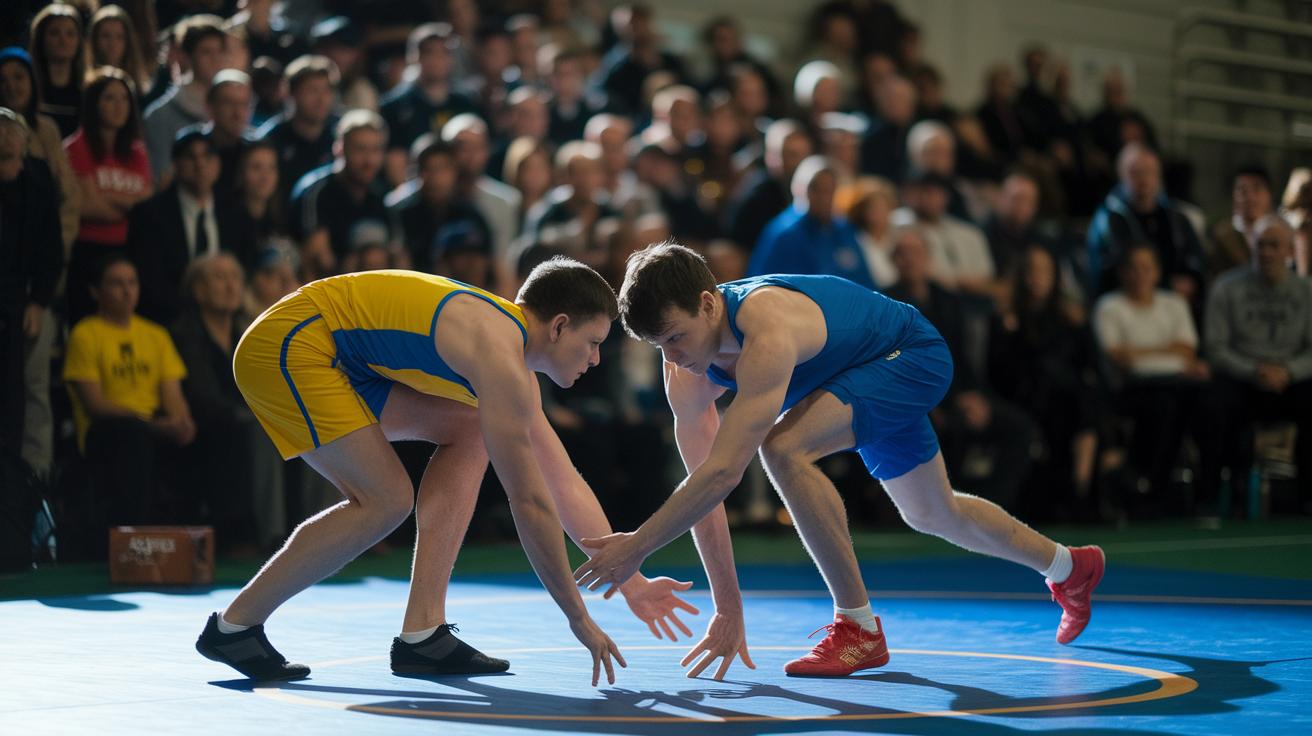
Creating a tough training routine is key to helping your team perform under pressure. Set up practice sessions that feel like real tournament fights. For instance, use a double-elimination format where early rounds follow a "first to two wins" rule and finals use a "first to three wins" setting. This setup not only adds the right amount of stress but also helps players stay cool when the pressure is on.
Running mini-tournaments or round-robin scrimmages on a regular basis builds clutch performance. When fighters take part in these practice matches, they develop the mental toughness needed for high-stakes games. Picture a weekly scrimmage where every match feels like a do-or-die battle. It strengthens their resilience and deepens their understanding of how to handle real tournament situations.
At the same time, include drills that focus on key gameplay skills. Work on exercises that improve execution, reaction speed, and the ability to quickly punish an opponent's mistake (punish-optimization). For example, try drills like rapid-fire combos or timing challenges to help sharpen reflexes and precision.
Use combat simulation exercises to boost decision-making skills further. Run mirror matches, where fighters compete against each other in a controlled setting, and practice set-play breakdowns, where you repeat planned moves until they feel natural. These sessions push players to fine-tune their strategies and adjust on the fly.
- Simulate tournament conditions with real round lengths.
- Hold mini-tournaments and round-robin matches regularly.
- Focus on drills that build key gameplay skills.
- Practice mirror matches and set-play breakdowns.
Every training session should build skills, sharpen decision-making, and strengthen team unity to get fighters match-ready.
Developing a Competitive Strategy and Matchup Analysis Framework for Fighting Games

Start by crafting a plan that taps into your team's strengths. Don't try to copy big-budget groups like TSM. Instead, build a system that shows what works and where you can improve. Use data from local events and scrimmages to create matchup charts. For example, you might record "Player A wins 70% of rounds against Character X" to spot good and bad matchups.
Keep your strategy fresh by checking balance patches (game updates that tweak characters) and shifts in the meta (current trends in gameplay). Watch how pros adapt and pay close attention to patch notes. Think of it like assembling a puzzle where every piece helps complete your overall strategy. A quick tip: try new tactics in low-stakes online lobbies or side events before using them in major tournaments.
- Create detailed matchup tables using recent local event data.
- Regularly update your charts to reflect changes in the meta and game balance.
- Have backup plans ready in case unexpected shifts occur.
For example, here is a simple table to visualize your analysis:
| Matchup | Win Rate |
|---|---|
| Fighter A vs. Fighter B | 65% |
| Fighter A vs. Fighter C | 45% |
Keep refining your framework to stay ahead of the game and maintain your competitive edge.
Financial Management: Budgeting, Sponsorships, and Revenue Streams for Fighting Game Teams

Start by getting your money in order. Write down your full budget in a simple spreadsheet. List every cost, from player salaries, team housing, event setups, to streaming fees. For example, jot down expenses step by step: first record rent and bills, then add equipment and staff fees. Without some starter funds or a clear plan to raise more, building your team can be really tough.
Sponsorships are usually your main income source, but they can be unpredictable. Take crypto-backed sponsors, for example (crypto means digital money); they might back out if the market takes a dive. That’s why it’s smart to mix in steady earnings like merchandise sales. Selling t-shirts, hoodies, or collectibles not only fills the cash register but also boosts your team’s image. Just be sure not to let merch sales distract you from your competitive edge.
Hosting local tournaments can also help your team earn cash while increasing local buzz. Start with small events that can grow into bigger tournaments down the road. And if you’re into streaming or content creation on YouTube or Twitch, that can add to your funds too, even though only top creators usually make enough to cover big salary costs.
In the end, spread out your income sources. Use a mix of sponsorships, merchandise, events, and content creation to keep your team strong for the long run.
- Plan every expense from the start
- Lock down solid sponsorship deals and be prepared for changes
- Build your brand with local events and partnerships
Every smart money move helps build a stronger, more stable fighting game team.
Building Team Culture, Well-Being, and Leadership for Fighting Game Competitors

Building a winning team starts with creating a close, supportive culture. Regular pauses during scrims help you dodge burnout, like grabbing a quick snack to recharge before the next match.
Keep communication open from the very start. Set clear rules for handling conflicts so pride and ego never hold you back. When issues arise, have honest, quick talks to learn and move on. For example, a roundtable debrief after intense practices lets everyone share their thoughts.
Mix in mindset drills and resilience exercises like those used in youth or STEM camps. Tackle small goals step by step. This builds mental strength and reminds you that every win comes from little victories.
Switch up leadership roles during scrims so each player gets a turn to lead and learn in real match situations.
- Schedule regular rest periods so ideas stay fresh
- Use mindset drills to strengthen mental focus
- Rotate leadership roles to boost responsibility
Using these tips creates a positive, strong team where everyone can thrive in practice and tournaments.
Logistics, Facilities, and Travel Coordination for Fighting Game Tournaments

Pick a practice spot that has all the tech you need. Make sure it has a strong internet connection, plenty of gaming stations, and backup power so your team can focus on the game instead of tech glitches.
Keep a close eye on your spending. Use an Excel sheet to track every cost, from venue fees and equipment rentals to travel and lodging. Listing travel and lodging side by side helps you see exactly where your money is going and spots ways to save.
Organizing travel and event details can eat up time you could use for training. Pass these tasks to support staff so players and managers can concentrate on their strategy.
Plan ahead by booking affordable lodging near tournament sites. This not only cuts down on travel stress but also gives your players more time to prepare for the next challenge.
- Reserve a secure, well-equipped practice venue
- Use a detailed Excel sheet for budgeting
- Delegate travel and event tasks to support staff
- Arrange nearby, cost-effective lodging for tournaments
Long-Term Growth: Community Engagement, Branding, and Content Strategy for Fighting Games

Grow a loyal fan base by picking players who truly vibe with the community. Look for team members who show real charm and passion, making locals feel connected. One strong recruitment pitch might be: "Picture a fighter whose story hits home with fans and fills every match with raw emotion." That genuine energy sparks brand love and can grab the attention of sponsors.
After you have your roster, work on a clear team identity. Create a memorable logo, choose bold colors, and craft a team story that fans can rally behind. Your brand is the face of your team. It should show your values and that competitive spark.
Treat networking like running a small business. Connect with local arcades, gaming forums, and popular streamers. Social media posts play a big part. Share match highlights, behind-the-scenes clips, and live Q&A sessions to keep your online crowd growing. A quick tip: mix short clips with longer videos to win over both casual viewers and die-hard fans.
- Share daily team moments on social media.
- Host live streams and Q&A sessions to chat with your community.
- Team up with local gaming spots for fun events.
Combine these tactics to boost your online presence. Every social post and local event builds your team’s profile and deepens the bond with fans. Keep refining your approach to community engagement, and watch your team’s profile grow steadily over time.
Final Words
In the action, we uncovered the basics behind setting up a fighting game esports team. We looked at building a solid framework, recruiting passionate talent, and fine-tuning training regimens. This guide broke down financial planning, effective strategy, and the logistics behind smooth operations. If you’ve ever wondered how to build an esports team for fighting games, remember that thoughtful planning and community support make all the difference. Keep refining your approach and step into the arena with confidence.