

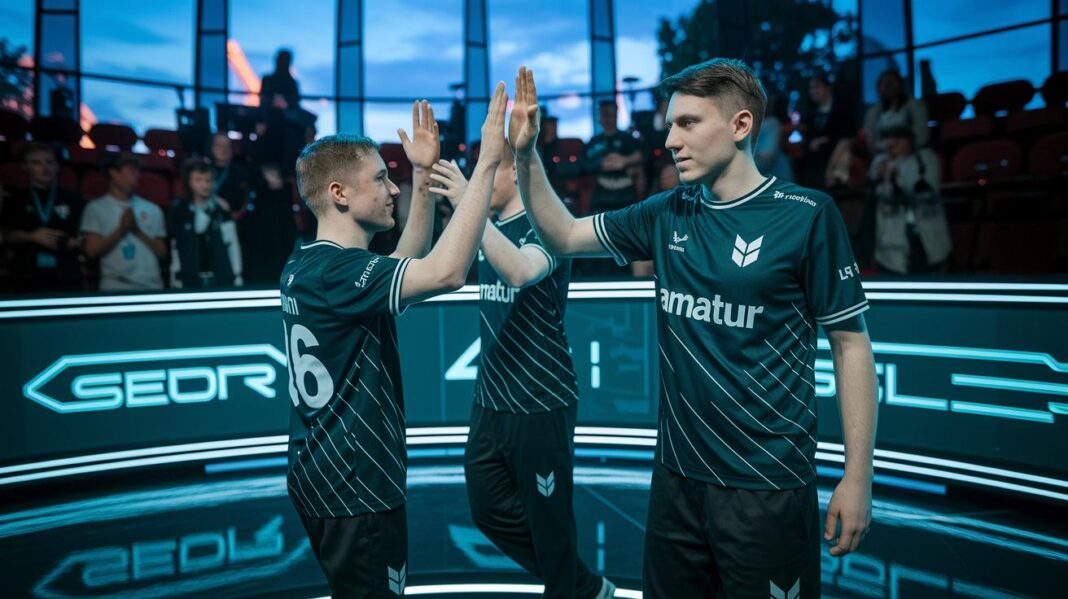

Ever wonder if your small esports team (competitive video gaming team) can grab a big sponsorship? You might think that only the big teams get huge deals. But that isn’t true. Even small teams can score solid backing when they know their game.
Every small win builds a stronger foundation, like putting bricks together to build a house. Each little tournament success makes your team more attractive to sponsors. This guide will show you how to craft a clear pitch, follow up at the right time, and turn early wins into sponsorship gold.
Let’s jump in and explore how your small beginnings can lead to major opportunities.
How to Secure Sponsorships for Small Esports Teams
Sponsorship deals can cover about half of an esports event’s earnings. This money is essential for small teams to keep going. In the early days, teams often pay for events themselves until they build a name. Many teams only start breaking even after several events. For example, if you have 100 followers, asking for $100,000 is not realistic. Instead, new regional teams might get deals around €10,000, while big organizations often land deals over €500,000.
Timing matters, too. Sponsors usually set their budgets at the end of the year for events starting in January. This means that being persistent and following up at the right time can really help you stand out. Many small teams run a number of self-funded tournaments first to build credibility before landing a major sponsorship.
When you put together your pitch, create a clear sponsorship handbook. Share your achievements clearly – include follower counts, tournament plays, and any championship wins. Here’s a simple way to start:
| Step | Action |
|---|---|
| 1 | Research sponsor histories to see their past esports support. |
| 2 | Customize your email with clear stats and engaging visuals. |
| 3 | Follow up persistently and align your pitch with their budget plans. |
By setting realistic expectations and showing clear evidence of your value, you build a strong case. This approach speaks to sponsors who want to back smaller teams and those interested in niche, competitive events.
Identifying Potential Sponsors for Small Esports Squads

Start by doing some homework. Look into companies that offer products you already use and love. You want sponsors whose fans match your own and whose current deals don't clash with your goals. It’s like getting ready for a job interview, you need to learn about the company’s history, size, role in esports, and media reach. One team even discovered a sponsor by finding out the company had backed similar events before. That kind of research can really pay off.
Next, build your own prospect list using industry directories, LinkedIn, and local business groups. Skip the one-size-fits-all emails and craft a tailored message for each company. Here’s a quick checklist to guide you:
| What to Check | Why It Matters |
|---|---|
| Company history and esports experience | Shows their commitment to the scene |
| Current brand partnerships and media presence | Helps you know if they are aligned with your style |
| Product match with your team’s vibe | Ensures a genuine, supportive partnership |
Remember, digging into these details shows potential sponsors that you’re serious about a real, lasting partnership. A good tip is to prepare like you’re interviewing for your dream job, know their market footprint well before you reach out. With smart research and clear details, you build trust and present a strong case. This approach not only helps you secure funds, but also boosts your team’s profile with partners who truly fit with your vision.
Crafting Winning Pitch Decks for Small Esports Teams
Start by showing what makes your team unique. Share solid feats like your follower numbers, tournament finishes, and championship wins. For example, you might say, "Our team reached the regional finals with 500+ followers and two championship wins." This grabs attention right away.
Make two versions of your deck. The first one is a short, visual version for new contacts. Keep it simple. Use quick snapshots like tournament logos or action shots to capture your team’s vibe. A slide might say, "Check this out: our last tourney saw a 40% jump in viewers."
The second version is a deep dive. Here, you include more stats, match highlights, and your long-term goals. Break down details like social media growth and tournament placements. For example, a slide could read, "We placed top in three tournaments back-to-back, showing our consistent strength."
Keep your information clear and easy to follow. Use bullet lists for achievements and simple charts to track growth. You could add a note like, "See our progress: from 100 to 500 followers in one season."
Lastly, ask for feedback. Get thoughts from industry friends to make sure your pitch is clear and your brand stays strong. Remember, many sponsors plan budgets in December and January, so update your decks accordingly. This balance of short and detailed info will help you connect with potential sponsors and show your team’s value.
Budget Planning & Deal Structuring for Emerging Esports Teams
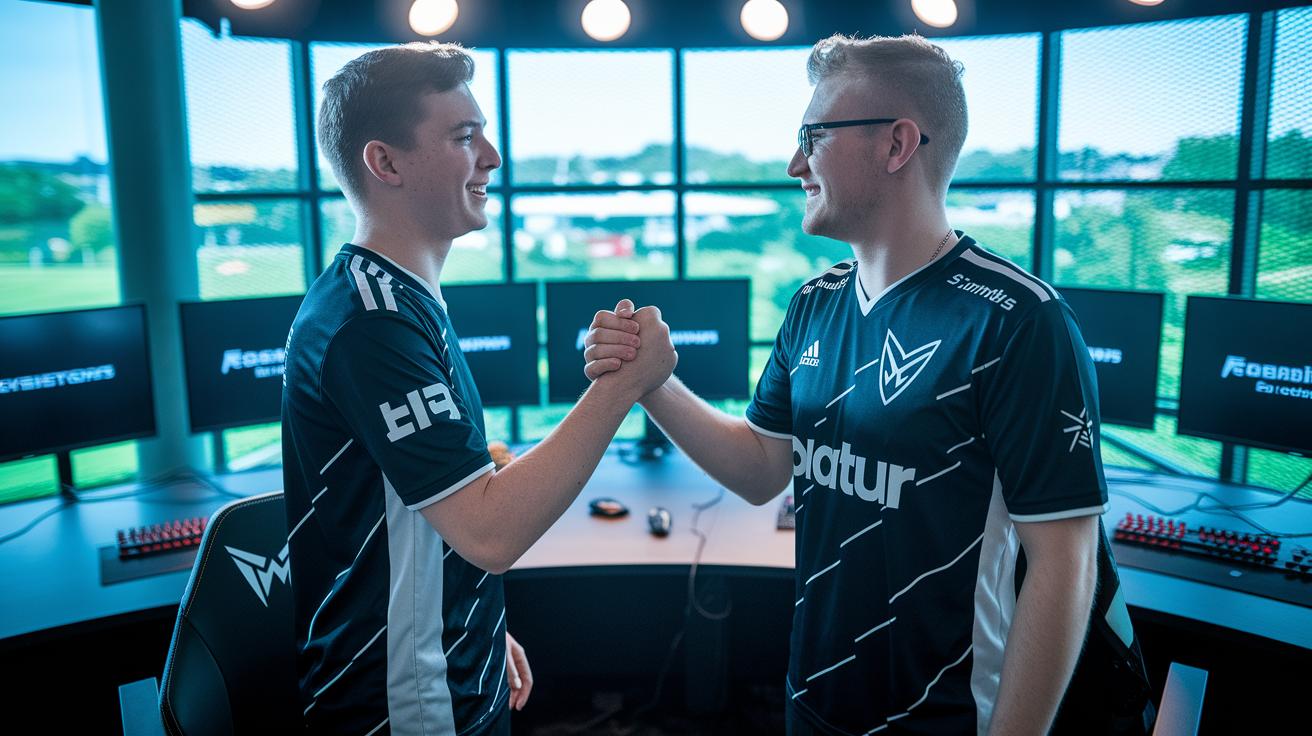
Small esports teams need to plan with care. Starter deals might be around €10,000, while top-tier groups could secure deals worth over €500,000 plus an extra 40–60% for activation budgets. It’s all about matching what you can deliver to what sponsors expect.
Keep your deal plans simple and focused on clear deliverables. Think about what you offer both in games and online. For example:
- Logo on jerseys and streams
- Regular social media posts to boost sponsor visibility
- Event appearances like tournaments or fan meetups
- Product trials to show off sponsor items
These deliverables help sponsors see exactly what they’re investing in.
Today, sponsors care about real-time data. They want to know how long their logo shows up, where it appears, and how eye-catching it is. In other words, they need tools that track a logo’s screen spot, how long it’s visible, and its prominence on Twitch, YouTube, Twitter, and Instagram. Imagine a dashboard that says, "Our live data tracked a 45-second logo display during the best moments of the game." That kind of trusted data builds sponsor confidence.
Old-fashioned quarterly PDF reports just don’t work like they used to. Instead, try using live dashboards that update in real time. These dashboards can show simple numbers like:
| Metric | Detail |
|---|---|
| Screen Time | Percentage of time a logo is on screen |
| Viewer Engagement | Counts of interactions during the exposure |
| Social Feedback | Live comments and reactions from fans |
A data-driven approach builds trust and lets you tweak your budget plans as needed. By aligning your promises with real measurable exposure, you create a win-win situation for your team and your sponsors. Clear, simple, and data-backed proposals pave the way for a strong, modern partnership.
Negotiation Tactics & Contract Essentials for Small Esports Teams
Start with a clear plan. Show your sponsors real numbers from your live streams, like viewership trends, engagement figures, and the value of the media exposure. For example, you might say, "Our live stream hit a 25% engagement rate, proving our audience is active." This kind of solid data builds trust and boosts your negotiation.
Be honest about the ups and downs in the esports world. Include rules in your contract for things like changes in your roster and unexpected events (force-majeure means events beyond anyone’s control). Here’s a quick checklist:
- Share solid numbers: Show trends in viewership, engagement, and media exposure.
- Add protection clauses: Include terms that handle player changes and unforeseen problems.
- Prove your worth: Use tools that track logo presence and viewer feedback.
About 25% of sponsors miss proper measurement tools. Use this as a win by offering real-time data in your proposals. It shows you’re modern and care about the sponsor’s return on investment.
When you negotiate, stand firm on your team’s strengths but stay open to working together. Think of each contract rule as a safety net for a long-lasting partnership. Every point backed by numbers helps land a fair deal that benefits both your team and the sponsor.
Building & Managing Sponsor Relationships for Growth
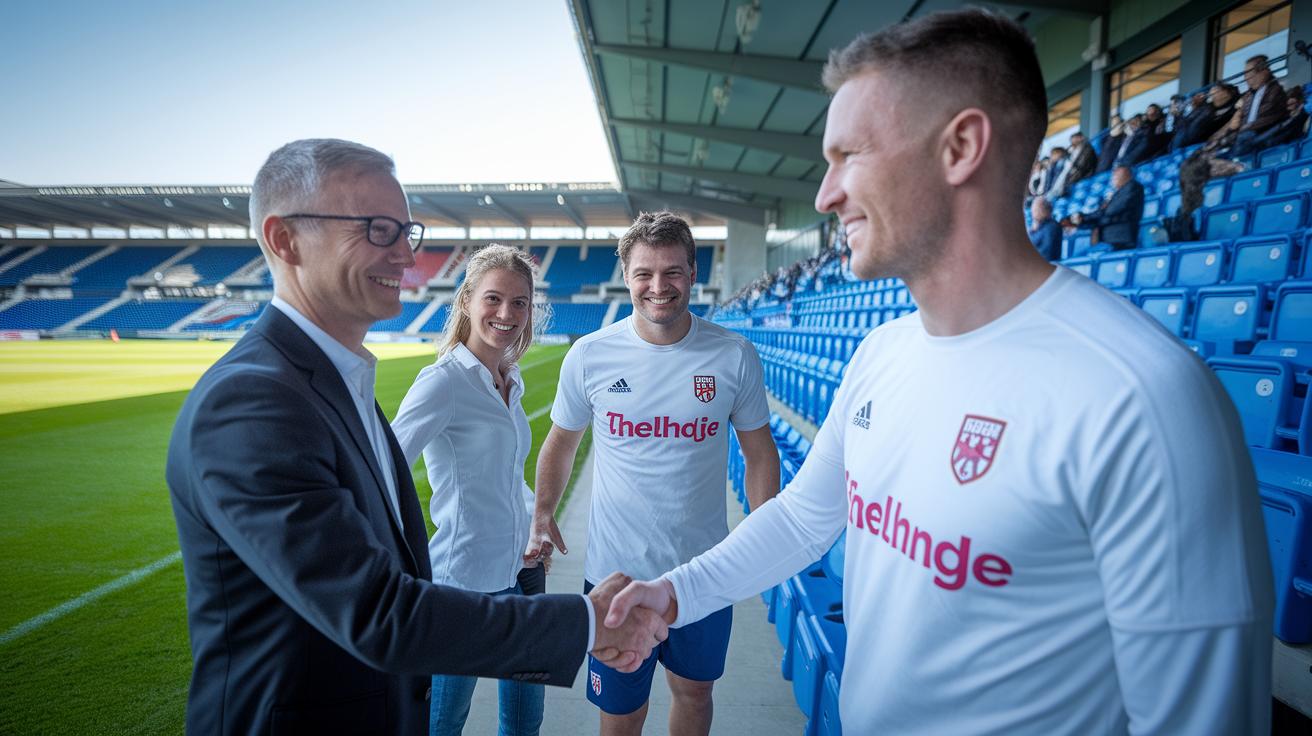
Getting a sponsor is more like a long race than a quick sprint. One team even spent two whole years building trust before landing a big deal. Regular chats and updates help keep sponsors interested and ready for fun new projects with you.
To keep these partnerships strong, keep sharing cool content. Show off practice clips, post fun updates on social media, share podcast snippets, or give a peek behind the scenes at your events. These updates tell a fresh story about your team and show sponsors you bring ongoing value. For example, you might post, "Watch our squad improve their tactics in today's practice session!"
Working well with sponsors means working together. Ask them for feedback and ideas. This shows you care and helps shape campaigns that click with both your fans and the sponsors. Here’s a quick checklist:
- Plan regular updates and touchpoints.
- Keep sharing different kinds of content to keep your story fresh.
- Ask for clear feedback on sponsorship ideas.
- Work together on campaigns that fit both your team and the sponsor’s brand.
These simple steps can build strong partnerships that grow over time. It takes steady effort, but honest teamwork can help small teams create lasting bonds with sponsors to fuel future growth.
Case Studies: Success Stories from Small Esports Team Sponsorships
MOONTON Games surprised everyone with their sponsorship campaign that earned €115M in branded media value. This win did not happen by chance. They planned smart activations, set clear goals, and used real-time data to drive decisions. Before they even started the campaign, they fine-tuned every detail to show off their team's live metrics and social engagement trends. Their work shows small teams that using all available data can help prove big value to sponsors.
GIANTX is another great example. They signed on 17 new brand partners in one go. They did this by mixing affiliate codes, hybrid deals, and pure sponsorships. They made sure to match each offer with a sponsor's exact needs. One simple tip they shared was to create different pitch decks: one for a first impression and another loaded with deeper numbers. This approach shows that a one-size-fits-all pitch rarely works.
These stories give clear examples of how to win endorsements. They prove that small teams with the right data and flexible proposals can score big in today’s tough esports sponsorship scene.
Final Words
In the action, we broke down how small esports teams can land sponsorships with practical steps. We covered market research, pitch deck tips, budget planning, negotiation tactics, and lasting sponsor relationships. Each section gave real-life insights to hone your approach and boost team credibility. Remember to stay persistent, adapt your strategy with data, and refine your message. Use this esports sponsorship guide for small teams as a launchpad to push your team toward success. Keep pushing forward, you've got this!