

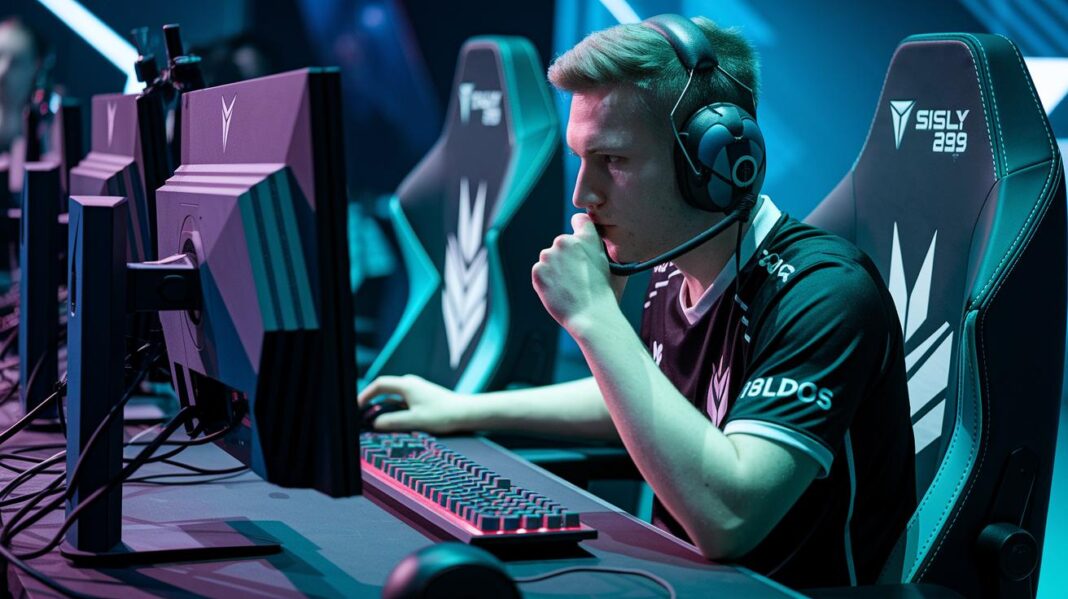

Have you ever thought that just a few milliseconds could be your secret edge in a match? In fighting game tournaments, even small gaps in reaction time, frame exchanges (the short time between moves), and input accuracy can change everything.
Analytics work like a coach who studies every detail. This article shows how esports performance analytics reveal the key stats that help players and teams level up, one step at a time.
Critical Metrics for Fighting Game Esports Performance Analytics
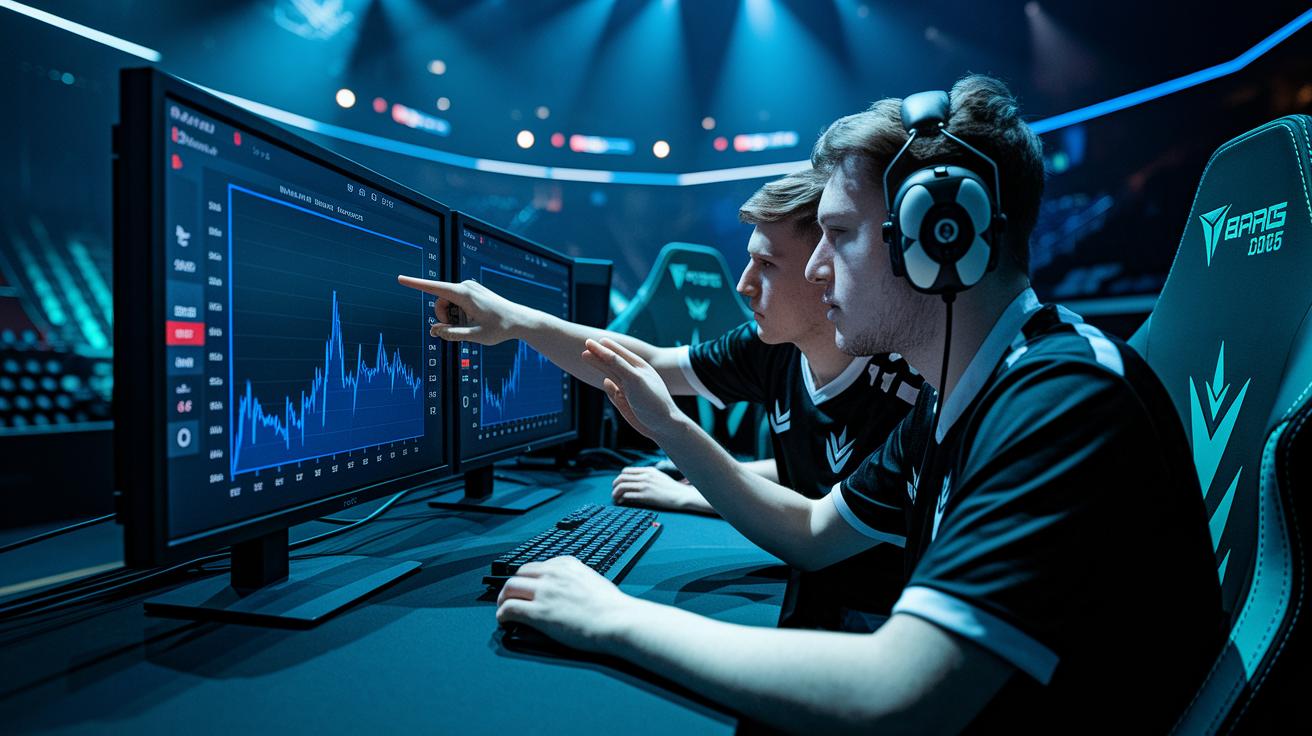
Reaction time, frame advantage, and damage output matter a lot for winning in high-stakes fighting game tournaments. Teams break down gameplay data to spot small differences that can mean big wins. For instance, a player who is just 3 milliseconds quicker can block or punish mistakes more effectively. In fact, a recent major tournament showed that a mere few milliseconds difference in reaction time changed the match result. These insights help teams focus on strengths and fix weak spots, making every practice session count.
Even if you're not a pro, you can learn from these numbers. Aspiring players can watch their combo execution rates and input precision (how exact your button presses are) to see where to improve. It's like a pilot reviewing flight data after a trip. Careful measurement of each move shows how efficient your play is. For more details, check out the Tekken esports beginner guide.
- Reaction Time
- Frame Advantage
- Input Precision
- Combo Execution Success Rate
- Damage Output per Round
- Punish Window Efficiency
By linking these numbers to win-probability models, raw stats turn into smart strategies. When analytics look at a fighter's reaction speed, frame exchanges, and damage spread, teams can build models to predict match outcomes more accurately. Coaches then use this data to create training plans and counter-strategies for future matches. With these key metrics in hand, competitors can forecast matchups, track improvements, and adjust strategies quickly during tournaments.
Data Collection Tools and Techniques for Fighting Game Analytics
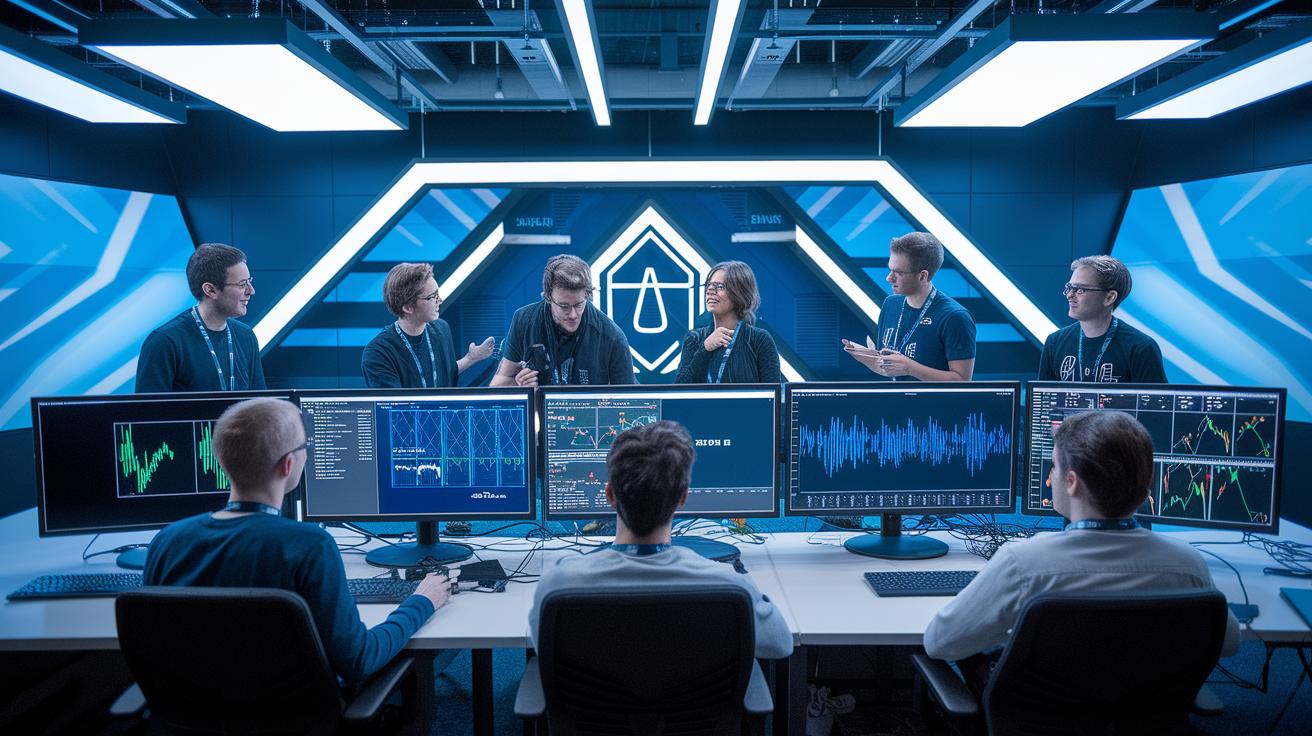
Organizations pull together many data sources to catch every detail of fighting game performance. They use game APIs (tools that let you get data directly from the game) for real-time stats, computer vision video capture (tech that reads video to analyze moves) to study every motion, controller input loggers that track each button press, and wearable sensors to check things like heart rate and movement. These tools all team up to show a full picture of gameplay, from split-second reactions to long-term tiredness.
| Tool | Data Type | Purpose |
|---|---|---|
| Game API | In-engine stats | Real-time frame and hit details |
| Video Capture & CV | Footage streams | Marking moves like neutral stance, combos, and recovery |
| Controller Input Logger | Button and motion inputs | Precise tracking of actions and gestures |
| Wearable Sensor | Heart rate and movement | Tracking fatigue and ergonomics |
Statistical tests and standard coefficient metrics are key in making sure data stays consistent across different fighting games. These checks help us see that changes in performance are real and not just random noise. By normalizing (or adjusting) the data, teams can compare different titles fairly and keep their insights reliable for planning strategies.
Video Analytics and Data Visualization in Fighting Game Esports
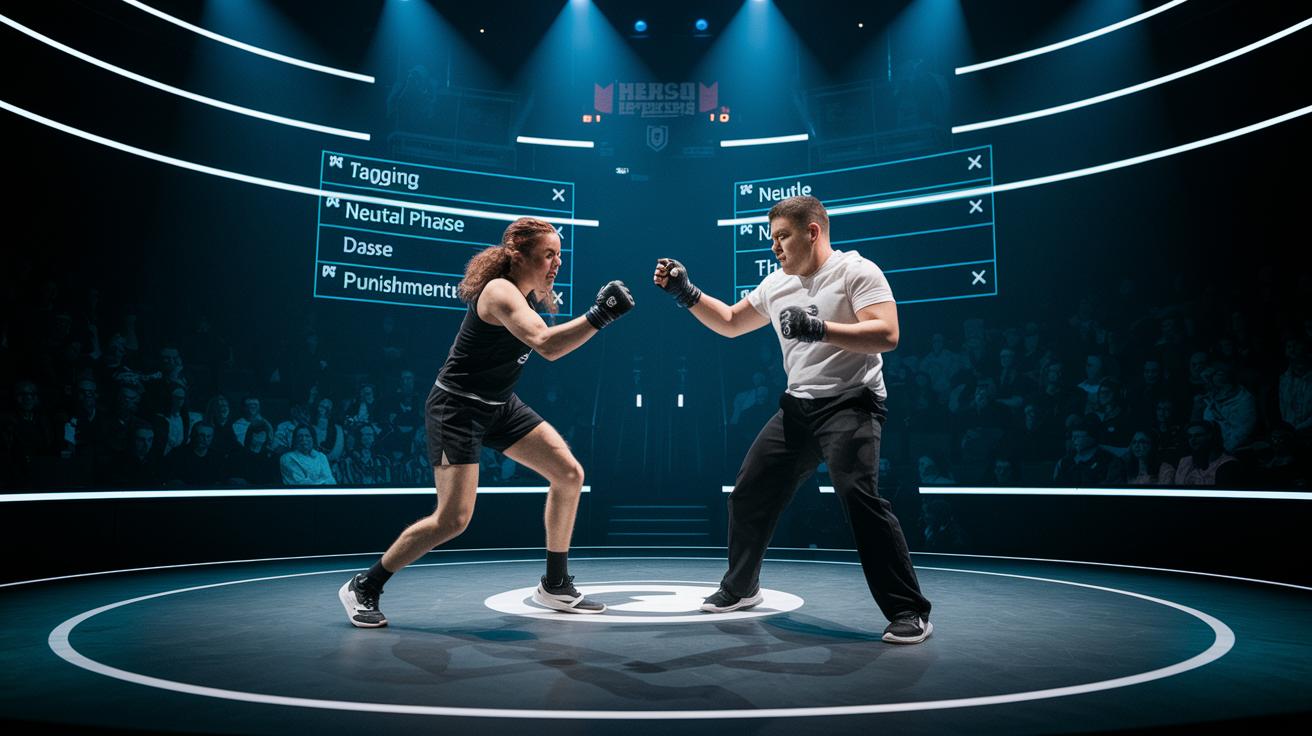
Video analysis in fighting games means watching match footage closely and tagging important battle moments. Analysts set up tagging windows (short time segments) to catch moments like neutral-phase play, combo flows, and punishments. For example, one window might record every time a player moves from defense to a strong counterattack. This method shows exactly when players shift from recovery moves to full-on offense, giving coaches a clear look at how rounds are played and how engaged the players are. By going through the video frame by frame, teams catch those key moments when the game's momentum changes, revealing small details that often slip by in live play.
Graphical dashboards give teams a clear view of the action through timeline charts, momentum curves, and heatmaps that show engagement. These tools let you see detailed combo flow diagrams that mark important turning points. If a timeline chart suddenly spikes in activity, it might mean a smart counter or a weak defense. Teams use these visuals to make adjustments during a match and to plan long-term strategies. By comparing data from many matches, they can fine-tune their game plans and boost their odds of winning, making every frame a useful part of the strategy.
Opponent Analysis and Strategy Optimization in Fighting Game Performance Analytics
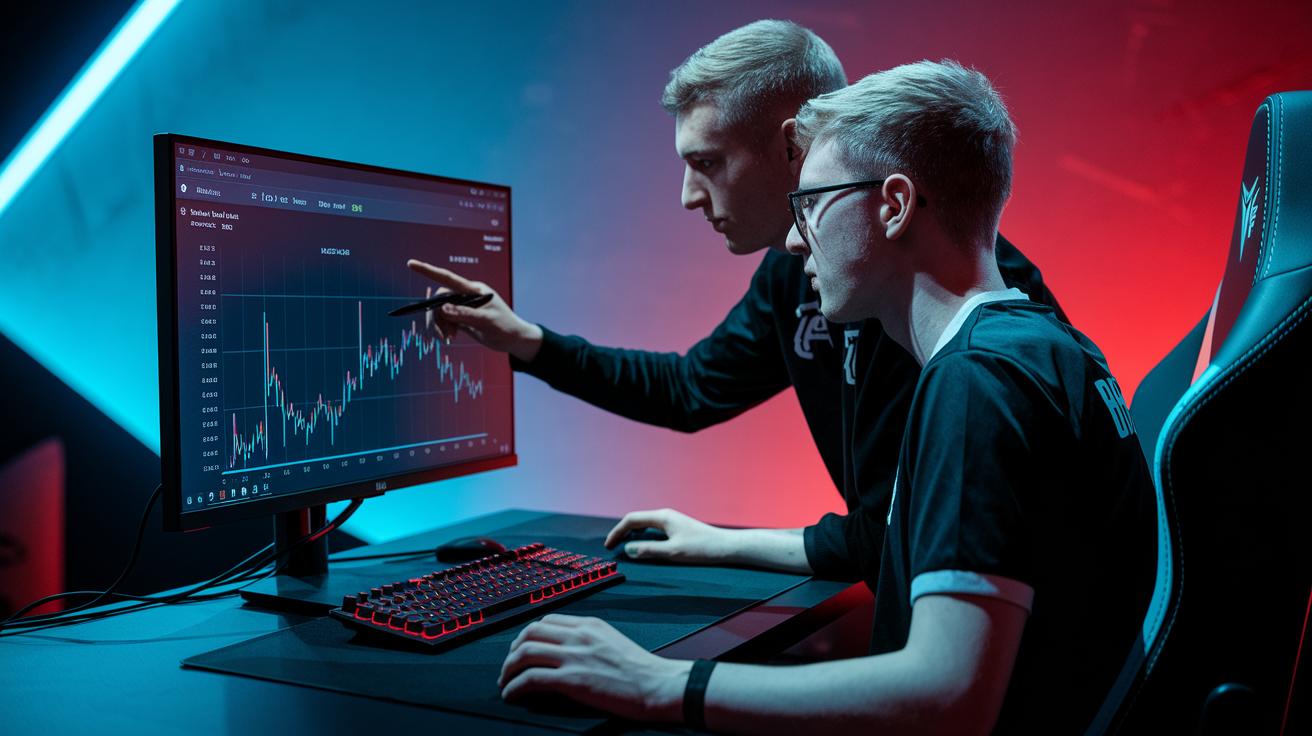
Scouting your opponent is key in fighting game analytics. We break down their habits using simple metrics and ranking systems that show common mistakes. By looking at past match data and trends, you can spot patterns that leave openings during a fight. This info helps build a game plan that you can tweak on the fly. For example, tracking how an opponent moves and makes decisions makes it easier to create a counter-strategy that throws them off their game.
Machine Learning for Matchup Outcome Prediction
Machine learning plays a big part in predicting who might win. It uses past match data to build win-probability models and spots small clues in a fighter's performance. With these hints, teams can figure out which strategies might give them the edge before the match even begins.
Developing Counter Strategies
Teams shape their tactics by studying punishment frames (the small window after a move when an opponent is vulnerable) and counter moves. They look at these moments to know exactly when an opponent can be hit after a mistake. Think of it like building a playbook that tells you how to turn each error into an advantage.
By mixing this data into everyday practice and tournament prep, teams stay sharp. Coaches and analysts use detailed scouting reports to tweak training drills and match tactics. This way, every session is smart and focused. Teams learn from both wins and losses, which pushes them to adapt and stay ahead in the ever-changing world of fighting game esports.
Health and Ergonomic Analytics for Fighting Game Pro Competitors

Pro teams now use wearable devices to track important health details during training and tournaments. These gadgets monitor a player's heart rate, stress levels, hand movement speed, and posture so coaches can quickly see if someone is getting tired or overworked. For example, if a player's stress level jumps up during practice, it could mean that the current drill or practice time is too demanding.
Teams also look at stamina curves (charts showing how energy decreases over time) and recovery times to adjust practice schedules. They use this info to fine-tune how long each training session should be and how hard players should push themselves. This balanced approach helps fighters stay at the top of their game while protecting them from injuries.
Future Trends in Fighting Game Esports Performance Analytics
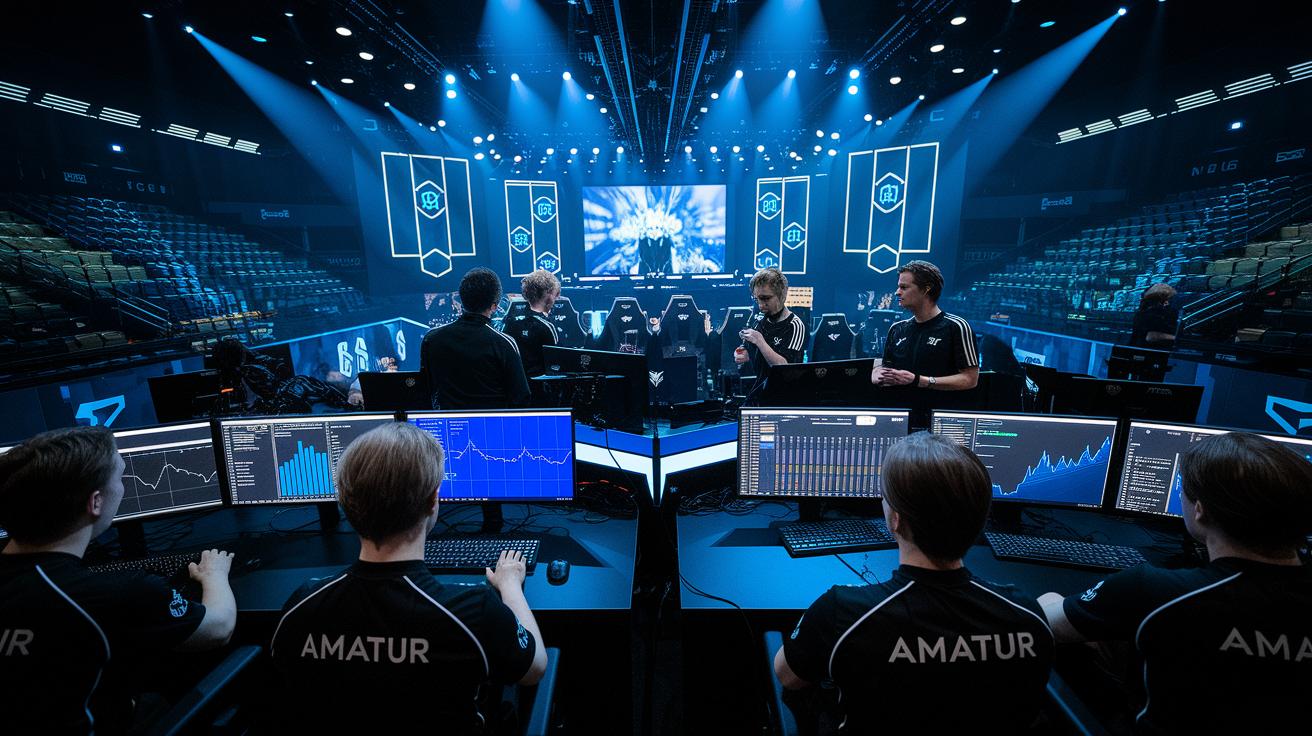
New analytics are changing the game in fighting game esports. They reveal hidden details about how players compete. Advanced AI (tech that mimics human thinking) will run live matchup simulations, allowing coaches to tweak strategies while the fight is on.
Teams will soon use standard scores across different games. This means comparing performance becomes simple, with clear checkpoints for progress. Real-time dashboards (live control panels that show game data) will keep everyone in the loop by highlighting sudden changes and predicting upcoming trends during the season.
Continuous improvements in trend forecasting (using past data to guess future moves) and comparison tools will help teams spot even the smallest shifts. They can test out several matchup ideas quickly and use these insights right when they need them.
- AI-powered simulations let coaches adjust strategies during matches.
- Unified data across games makes comparisons straightforward.
- Live dashboards give up-to-the-minute updates during tournaments.
These innovations promise a future where deep analytics don’t just track past events but also forecast upcoming moves, ensuring competitors stay ahead in a fast-paced esports scene.
Final Words
In the action, we dove into key metrics like reaction time, frame advantage, and combo execution to shape win-probability models and smart tactics. We also explored tools that capture real-time data, video analytics for visual insights, and health metrics that keep pros at their best.
New trends like AI-driven simulations and unified data standards promise fresh insights. This fresh take on esports performance analytics for fighting games shows a bright future ahead, making every match a chance to smash new limits.
FAQ
Esports performance analytics for fighting games review
The esports performance analytics review for fighting games highlights core metrics like reaction time and frame advantage while showing how tailored data helps players fine-tune strategies for better competitive outcomes.
Esports performance analytics for fighting games 2022
The esports performance analytics in 2022 introduced refined measurements such as input precision and combo execution rates, offering a clearer picture of in-match performance and guiding players to pinpoint areas for improvement.
Esports performance analytics for fighting games download
The downloadable esports performance analytics provide tools and software that capture key in-game metrics, allowing teams and players to gather real-time data for tactical review and enhanced competitive strategy.
Where can I get esports data?
Esports data is available through game APIs, dedicated analytics platforms, and community sites that compile statistics like damage output, frame advantage, and input precision to support strategic decision-making.
How to measure game performance?
Measuring game performance involves tracking critical metrics such as reaction time, frame advantages, and combo success rates, which together present a comprehensive view of a player’s in-match efficiency.
What is the #1 fighting game and which game is no. 1 in esports?
Determining the #1 fighting game can vary by season, though titles like Tekken and Street Fighter often lead due to their robust competitive scenes and deep, strategic gameplay.