
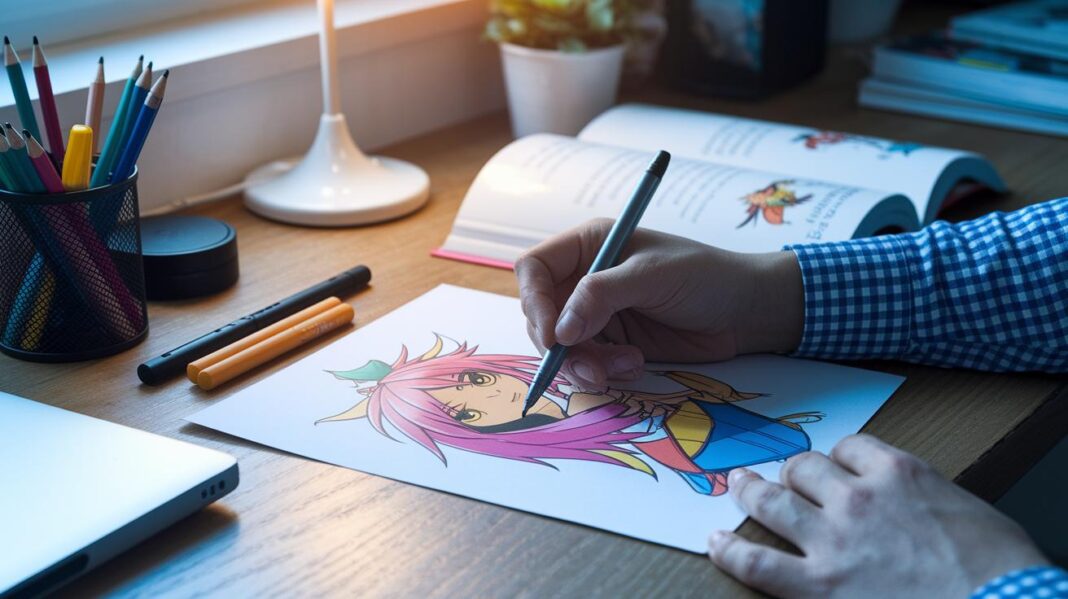

Ever dreamt of seeing your favorite anime characters come to life? This guide shows you how to get started using simple shapes and lines. First, draw basic circles, ovals, and rectangles to create a strong foundation.
We break down every step so you know exactly how to build your drawing. Follow the clear instructions and try fun exercises along the way. They not only help sharpen your drawing skills but also boost your creativity.
Ready to dive into anime art? Let’s get drawing and uncover the secrets to creating striking character designs!
Mastering Anime Drawing Reference: Essential Techniques & Tutorials
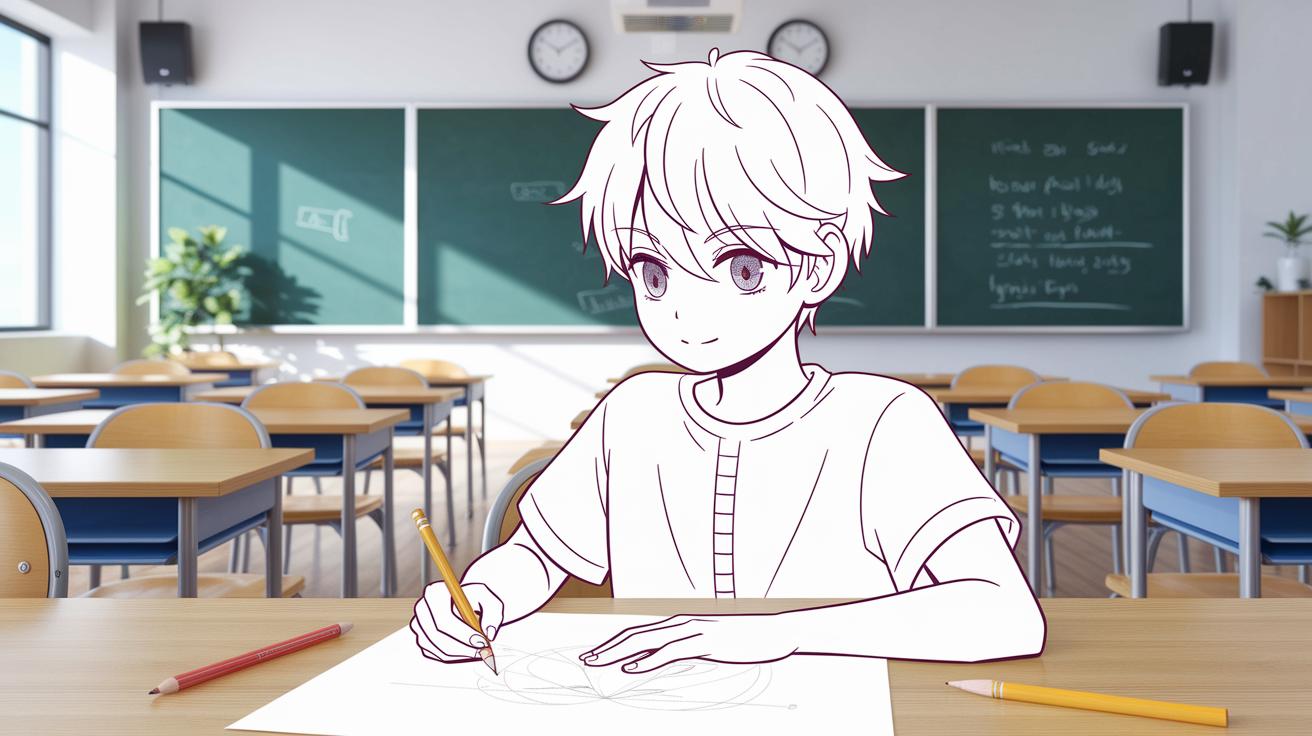
Anime drawing starts with a strong base. Follow clear, step-by-step guides that show you how to use simple shapes like circles, ovals, and rectangles to form your character's design. Use light sketch lines and clear guides (a vertical line for symmetry and horizontal lines for features) to keep your proportions on point and capture that classic anime style.
As you follow this guide, you'll try fun exercises that mix creative ideas with careful drawing. The guide covers everything from simple shapes to detailed character design. This way, you build art basics while exploring different anime looks.
- Basic Shapes & Proportions
- Anatomy & Muscle Placement
- Poses & Dynamic Movement
- Facial Features & Expressions
- Line Art & Inking Techniques
- Color, Shading & Rendering
The guide takes you step by step. First, plan your drawing with basic shapes and guide lines. Then, move on to learning about body structure and movement. For example, drawing a simple oval for the head and rectangles for the body shows how proper alignment and size create a balanced drawing. This guide gives clear instructions and helpful visuals to boost both beginner and seasoned artists alike.
Anime Drawing Reference: Anatomy & Proportions Fundamentals

Start your drawing by laying down simple shapes. Use circles and ovals for the head and torso, and rectangles for the arms and legs. This helps you plan the structure before you add any details. Draw a vertical line down the middle to keep your character balanced, and add horizontal lines for the eyes and ears. Remember, many anime characters are about 6½ to 7 heads tall, so keeping this proportion in mind is key.
| Body Part | Standard Anime Proportion |
|---|---|
| Head | 1 head |
| Torso | About 2 heads |
| Arms | About 1.5 heads each |
| Legs | About 3 heads |
| Shoulders | About 1.5 heads wide |
| Feet | About 1 head each |
Next, add simple lines for muscles around the shoulders, torso, hips, and limbs. Check your work with an anatomy checklist as you go. Using these early guide lines helps you keep your character’s balance and posture on point. With a little practice using these basic shapes, you’ll be able to tweak and perfect your character’s stance with ease.
Anime Drawing Reference: Dynamic Poses & Movement Techniques
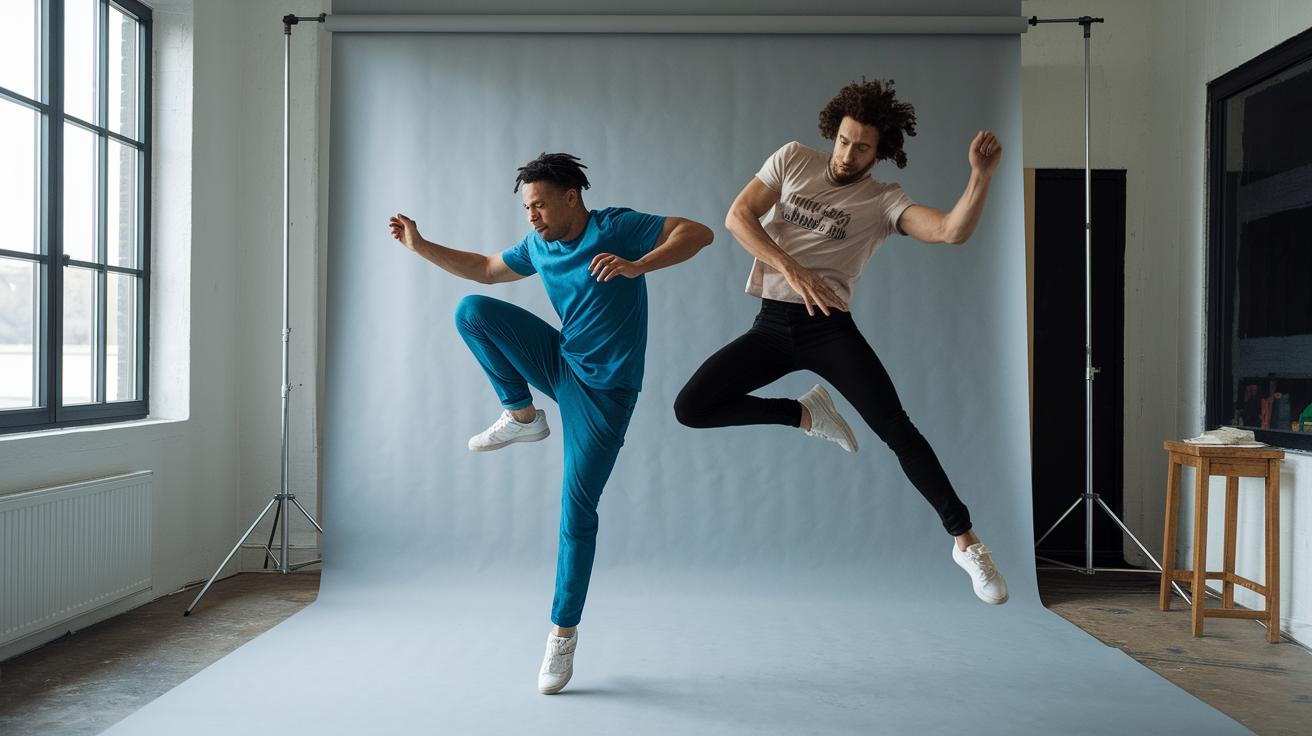
Dynamic poses make your characters burst with life. The line of action shows how the body moves naturally. Try using photos or poseable figures to see how a body twists or leaps. Quick sketches can capture that lively energy.
Look at how arms and legs move during jumps, fight scenes, or even a relaxed gesture. Pay attention to where joints are and how muscles flow. This helps keep each sketch balanced and real.
For tighter work, study each joint and adjust the angles so the motion flows smoothly. Start with loose sketches to block in the pose, then add details later. This method lets you capture actions like leaps, strong stances, or a laid-back walk. Experiment with different limb stretches and twists to show various moods and energy.
Remember, every mistake is a step forward. Keep practicing and you'll soon see your skills and confidence grow.
Anime Drawing Reference: Expressive Face & Hair Rendering

Start by breaking the face into three parts: from the hairline to the brows, brows to the nose, and nose to the chin. This helps keep your features in balance and sparks creative ideas.
Eye Rendering
Play with different eye shapes. Change where the pupil sits and add little highlights to bring out feelings like surprise or warmth. Try big, lively eyes for happy moments or narrow, angled ones when you want to show a serious mood.
Expressive Features
Make small changes to the eyebrows, mouth, and nose to show shock, anger, or sadness. A slight curve in a smile or a quick raise of an eyebrow can completely change a character’s mood and make their face feel more real.
Unique Hair Styling
Use quick, clear strokes to add volume and texture to hair. Experiment with different lengths and styles to make each character unique. A messy, windswept look might say a character is spontaneous, while smooth, layered hair can feel elegant.
When you put these techniques together, your characters will really come to life. Break the face into zones, try various styles for eyes and hair, and adjust small details to capture true expressions. Keep practicing, and soon every drawing will burst with emotion and style.
Anime Drawing Reference: Line Art & Stylized Illustration Methods
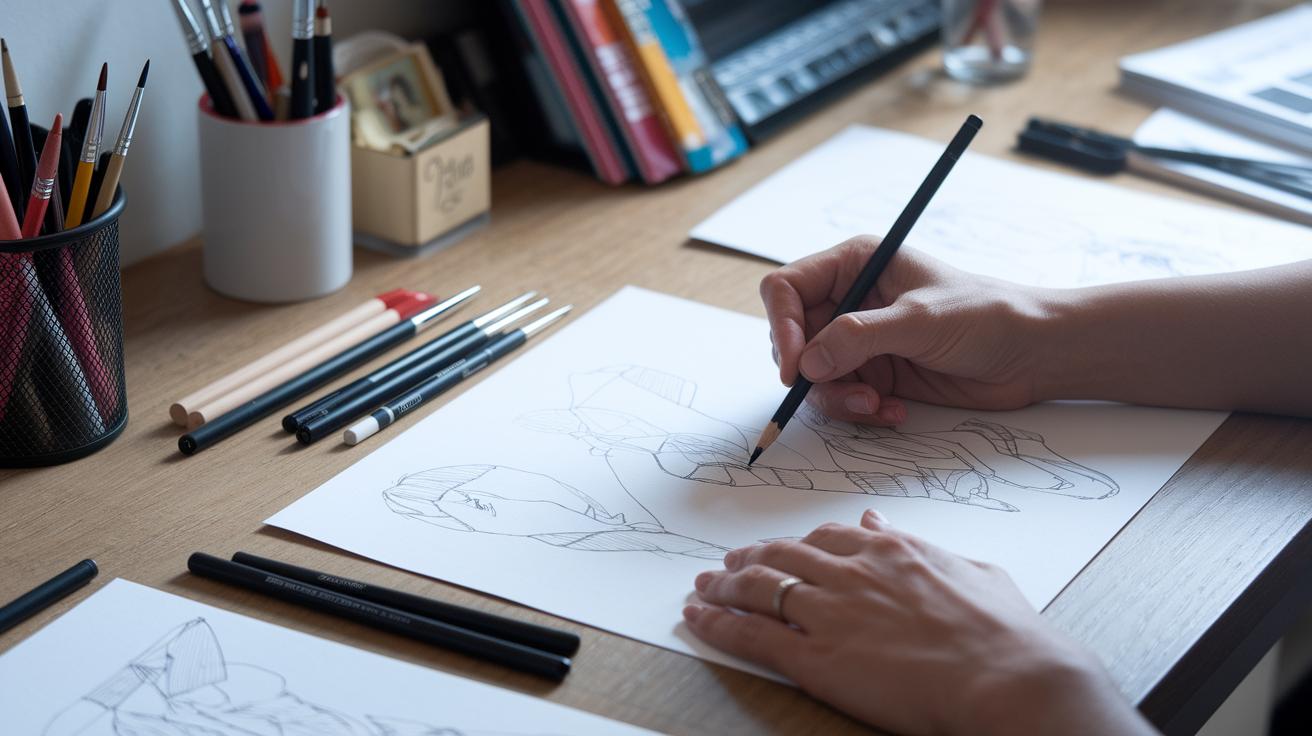
Begin your drawing with gentle, light lines that map out shapes without stressing over perfection. These easy lines help you plan your work so you can ink with confidence later.
When it's time to ink, pick tools that match your style. Whether you favor fine liners, brushes, or digital brushes, find what gives you smooth, steady curves. Try using different line thicknesses. Use thicker lines for the parts you want to pop out, like the outer edges, and lighter lines for the smaller inside details. This trick makes your drawing look deep and guides the eye around the image.
Mixing digital and traditional ways might seem tough at first. But keep practicing each one to build up your brush control. Taking your work step-by-step makes sure every part of your drawing looks even before you finish up. This method not only gives you a neat final piece but also helps you stay true to your style every step of the way.
Keep your final strokes sure and clean. Every line has its own role in creating a unique, stylized look.
Anime Drawing Reference: Coloring, Shading & Rendering Techniques

First, pick your light source. Knowing where your light comes from helps you decide where shadows go. Even a simple scene feels real when shadows fall naturally.
You can use digital or traditional methods to bring your anime characters to life. If you work digitally, start with a flat base color. Then try cel-shading (using clear, defined shadows) or soft gradients (smooth blends) to make colors flow together. Add highlights to give your art a burst of energy. For hand-drawn work, marker blending and ink washes work well too. Play around with pressure and layering to see what feels best. Choosing colors that go well together sets the mood and keeps everything looking balanced.
Practice by focusing on one technique at a time. Adjusting your colors and shadows with care can add a professional touch to your art.
Anime Drawing Reference: Composition, Backgrounds & Perspective
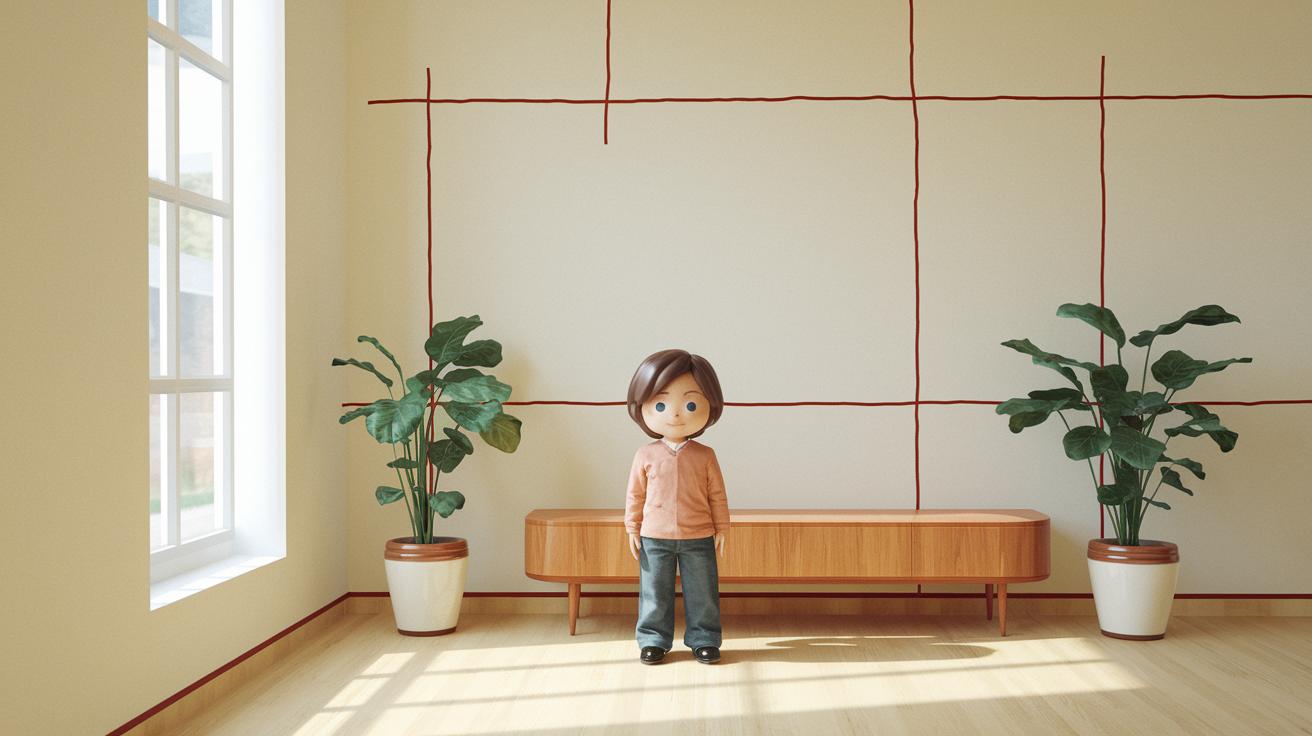
Start with a solid base for your drawing. Use one-point perspective for indoor scenes and two-point perspective for urban or nature scenes. This simple trick plants your characters in a space that feels real.
Next, focus on setting up your scene with clear structure. Try the rule of thirds to place your character for the best impact. Let guiding lines pull the viewer’s eye to key details. Sketch quick backgrounds to fill in the scene without taking over your drawing. For example, an urban alley can frame a bold stance or a neat room can highlight a character’s feelings. These tips keep everything clean and balanced.
Keep the action in the front separate from the background. This attention to perspective and structure brings depth and life to your artwork.
Anime Drawing Reference: Practice Exercises & Resource Compilation

Start your drawing journey by practicing basic sketch exercises and gathering a few essential tools. This simple step builds your skills while keeping your routine fun.
During your practice, work on drawing straight lines, smooth curves, and simple shapes to build muscle memory. Try combining different techniques in one sketch to boost your control and confidence. For instance, download head and body templates to help you get the proportions and structure right. The Anime Art Starter Guide is a great place to begin, and the Anatomy Tune-up Checklist can point out areas to improve. Use the Digital Art Toolkit to try both old-school and digital methods, and join online art communities for feedback that helps you grow.
Keep practicing and let these tips and resources drive your creative adventure.
Final Words
In the action, we dove into key techniques, from basic shapes and anatomy to dynamic poses and vibrant coloring. Each section built your skills step by step, helping you create art with clear structure and lively energy.
This anime drawing reference guide equips you with beginner art fundamentals, design basics, and practical exercises to keep improving. Keep practicing and enjoy the creative journey ahead.
FAQ
What is an anime drawing reference guide pdf used for?
The anime drawing reference guide pdf offers step-by-step tutorials, clear illustrations, and tips on proportions and poses, allowing artists to access structured lessons in a compact, printable format.
How do anime reference photos help with drawing?
The anime reference photos serve as practical visual aids that capture actual poses, proportions, and details, assisting artists in replicating styles and adding realism to their drawings.
How is an anime drawing reference guide easy for beginners?
The anime drawing reference guide for beginners simplifies complex ideas with clear steps, basic shapes, and proportional guidelines, building essential skills and boosting confidence for new artists.
How does an anime drawing reference guide address drawing girls and boys?
The anime drawing reference guide covers both girls and boys by offering tailored instructions for facial features, body proportions, and hairstyles, ensuring each character’s unique traits are accurately portrayed.
What makes an anime reference guide for Gojo unique?
The anime reference Gojo focuses on capturing his distinctive look with specialized tips on hair, eyes, and overall proportions, blending classic anime style with character-specific details perfectly.