



Have you ever wondered why anime tournaments feel so electrifying? It's all because of the clear rules that shape every match into a real showdown. These simple guidelines level the playing field, build up the tension, and sometimes even add unexpected twists. Picture each round like a well-planned fight scene where every move matters and everyone feels the thrill. In this article, we'll dive into the key rules that keep these contests exciting and fun for everyone.
anime tournament rules: Fuel Your Epic Battles

Anime tournament rules set up the playbook for every contest we love. They mark the boundaries, goals, and steps that players follow, making sure each duel is fair and full of purpose.
Every fight counts when there’s clear tension and well-set goals. Tournaments build up to exciting climaxes, where each match feels like a key step toward victory. When players know the mission and face cool challenges, every round stays fresh and full of surprises.
• Clear goals and big stakes
• Rising tension as the rounds progress
• Different match types so things don’t get boring
• Fair rules everyone can trust
• Safety for all competitors
These simple rules form the blueprint that makes a tournament truly epic. A strong rulebook blends order with excitement, whether it’s single elimination, double elimination, or a round-robin mix. With clear win conditions and varied challenges that keep repetition at bay, every battle turns into a dynamic story that leaves a mark on both players and fans.
Enrollment and Contest Entrant Requirements for Anime Tournaments

We have clear rules to make sure everyone competes on a level field. You must hit a few checkpoints like age limits and account verification before jumping in. In some events, like the Negima!? Mahora Academy School Festival arc, players can range from young kids to university students. That means rules might change based on age, skill, or even magical talent. You also need to follow the character selection rules so everyone brings a special strength to the match. This keeps the competition fair and builds excitement as soon as registration opens!
- Fill out the online registration form with your avatar and personal details.
- Provide proof of identity or verify your age.
- Pay any entry fees or get sponsorship approval.
- Agree to the terms on intellectual property and content use.
- Confirm your bracket placement and check your schedule.
Registering on time is a must. If you miss a deadline, you might end up on the reserve list or see delays in your bracket setup. To learn exactly how to join, check out our registration portal at "how to join anime tournaments" – https://animeplus.tv?p=. Every rule is set up to make sure you're ready for the challenge, creating a smooth and fun contest experience for all.
Structuring Anime Tournament Matches: Formats and Progression
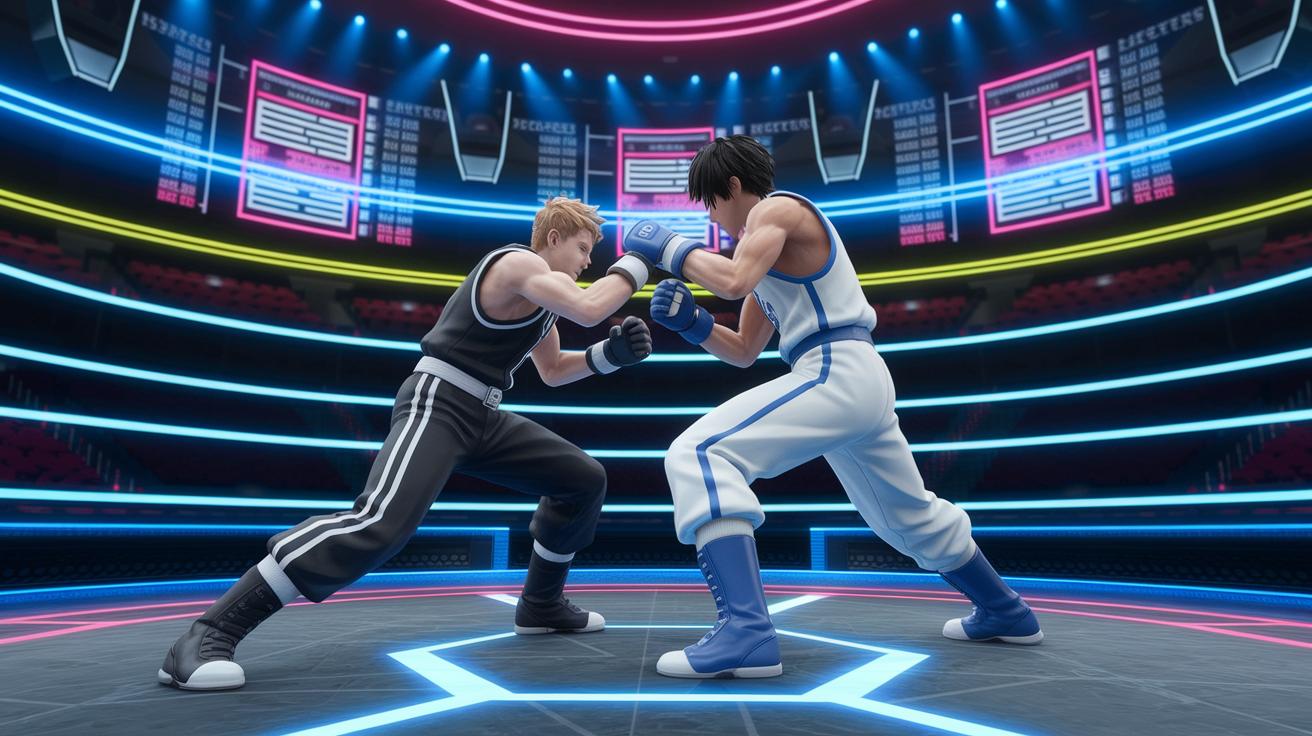
Anime tournaments mix different match formats to keep every battle lively and unpredictable. In a single elimination setup, one loss sends you home, while double elimination gives fighters a second shot in a separate losers bracket. Some tournaments use a round-robin style (where everyone faces all opponents) to make rankings fair and keep the action nonstop. There are even hybrid formats that blend these ideas to add extra spice. And then there's the repechage (a bonus chance after a loss), which lets underdog fighters bounce back and shine in redemption matches. This variety not only decides who moves on but also weaves a rich story full of ups and downs that fans love.
Timing is just as crucial as the match format. Each bout gets a strict time slot so the excitement never fades. Short breaks between fights let competitors catch a breath, plan their next move, and let organizers fix any issues fast. These pauses keep every moment feeling important and build steady tension. Whether it’s a straight knockout or a looping series of matchups, a clear schedule keeps the tournament running smoothly, matching the fast and fun spirit of anime battles.
| Format | Structure | Use Case |
|---|---|---|
| Single Elimination | One loss means out | Quickly reaches finals |
| Double Elimination | Separate winners and losers brackets | Offers a second chance |
| Round-Robin | Everyone plays everyone | Fair ranking system |
| Repechage | Bonus bracket for redemption | Brings extra drama |
Scoring, Tie-Breakers, and Disqualification Rules in Anime Tournaments

Anime tournaments use two main scoring systems. In one, fighters earn points from every bout that add up to their overall score. In the other, wins and losses are simply counted. This setup makes it clear who ranks where and builds excitement for a final, epic showdown.
Rules for ending a match are also very important. Many tournaments have knockout rules so one loss can kick you out right away. Some also let you surrender in tough moments. These conditions keep the playing field fair and ensure that only the best fighters move on.
• Sudden-death overtime round
• Comparing point differences
• A quick skill test
• A vote by the audience or panel
There are strict rules for disqualification too. Fighters can be kicked out if they break key rules or act unsportsmanlike. Usually, penalties build up gradually so competitors get a chance to fix their mistakes. A panel of umpires checks any close calls or tie situations. With these clear rules, the tournament stays fair and every surprise twist is handled with respect.
Combat Regulations and Power Usage in Anime Tournaments
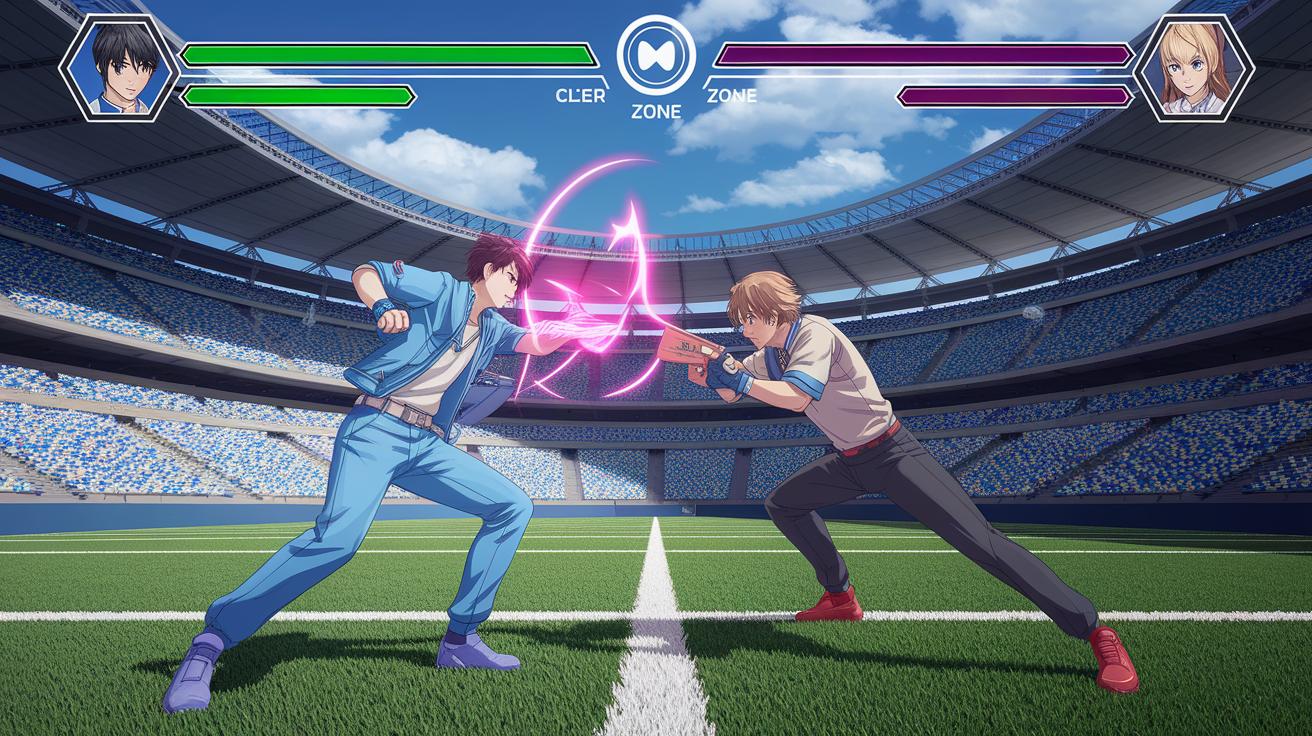
In anime tournaments, rules for using powers are clear and fair. Fighters must stick to set limits so the battles stay balanced and fun. Each move has a cooldown (a short wait time) to make sure no one uses a winning trick too often. Close fights need a controlled amount of force, and long shots have a distance rule to keep things even. There are special zones where moves can or cannot be used, keeping magic attacks different from regular ones, just like in the Negima!? story. These rules stop one-hit wins and overpowered moves that hurt the match’s story and strategy.
- Cap ultimate moves per match
- Restrict area-of-effect spells to designated zones
- Limit ranged attack distance or ammo
- Prohibit stage hazards outside the official arena
- Enforce a no-contact buffer for spectator safety
- Require the display of a sportsmanship ethics code pre-match
These controls also keep the game safe and honest. Organizers enforce strict guidelines to protect both fighters and fans. The rules help avoid repetitive plays and promote a healthy mix of offense and defense. With these combat rules, every match challenges the fighters to perform their best while keeping the excitement fair and balanced.
Roles of Organizers, Judges, and Spectators in Anime Tournament Rules

Organizers are responsible for setting up a great venue, arranging strong security, and planning backup moves if something unexpected happens. They also pick judges who truly get both the competitive and creative side of anime tournaments. This team makes sure every rule is followed and that every match feels like a must-watch moment.
Judges and organizers work as a team to keep everything running smoothly. They take care of crowd safety, settle any disputes, and keep the rules simple and clear so that fighters and fans alike can enjoy the event.
- Pick judges with a deep love of anime
- Share clear conduct rules
- Train announcers on how to pick matches
- Set rules for spectators (like designated cheering zones and no interference)
- Make sure everyone shows competitive respect
Streaming, Replays, and Audience Engagement for Anime Tournament Rules

Live streaming for anime tournaments needs to be fast and fun. We keep fans on the edge of their seats by using a stream with no more than a 2-second delay, HD quality, and tight controls on lag. This way, every punch and kick is seen in real time, just like in a high-energy show such as Tekken: Bloodline, where quick commentary and clear visuals make all the difference.
- Provide official match replays under fair-use rules.
- Use simple commentary filters to keep the chat clean.
- Track viewers across different platforms to know what fans like.
- Let fans join in with polls or chat mini-games.
Replays are just as important as the live action. Each match should be saved right away, so fans can revisit the best moments instantly. Clear rules about who gets to view these replays help keep everything fair. This smart setup makes the tournament more fun and keeps the quality high for every fan.
Sample Anime Tournament Rules: Bracket Format and Case Study

Imagine a tournament that feels just as thrilling as the All Japan Rookie King Tournament arc in Hajime No Ippo. This event features 16 fighters who battle it out over two exciting days. On the first day, competitors face off in the Round of 16 and then the Quarterfinals. In these rounds, a single loss or a best-of-three series starts to sort out the fighters.
The second day cranks up the stakes with the Semifinals and the Final. Each match is a turning point on the road to winning the championship. Plus, there’s a consolation bracket called a repechage where fighters who lose early get another shot at glory. If a fighter has to drop out, a backup is ready to jump in without missing a beat.
All these rules work together to create a fair and thrilling arena. Every match is set up to spark epic battles and build memories in tournament history.
| Stage | Participants | Match Type | Advancement |
|---|---|---|---|
| Round of 16 | 16 | Single Match | Top 8 advance |
| Quarterfinals | 8 | Best-of-Three | Top 4 advance |
| Semifinals | 4 | Best-of-Three | Winners to Final |
| Final | 2 | Best-of-Five | Champion crowned |
Final Words
In the action, we've traced the core principles that bring life to anime tournaments. We dug into the detailed steps for contestant enrollment, match progression, and even the intricate streaming setup. Each section helped us understand how clear guidelines and evolving challenges shape the excitement. These anime tournament rules pave the way for fair play and dynamic battles. It's all about creating a balanced stage where every match feels fresh and intense. Enjoy the journey and keep the excitement high as you dive deeper into the unique world of anime tournaments.