


Ever thought that horror could grab you on screen as much as it does on paper? Junji Ito's anime projects stretch the limits of creativity and fear, turning his twisted visions into something new and unexpected.
In this post, we talk about everything, from the clunky CGI in GYO to the eerie detail in Uzumaki. Each show works hard to stay true to Ito's art while testing fresh ways to tell a story.
Join us as we explore the cool ideas and surprising slips that come with turning horror into animated art.
Overview of Junji Ito Anime Adaptations
Junji Ito's horror works have hit the screen many times, each with its own style and unique challenges. Here’s a look at the main projects in the order they were released:
-
GYO (2011) – Studio: Toho
GYO is a full-length film from 2011. Many fans were let down by its weak computer graphics (CGI), changes in the story, and odd character swaps that strayed from Ito’s detailed style. -
Junji Ito Collection (2018) – Studio: Toho
This is a 12-episode anthology series. Viewers noted that the series had spotty quality, and the Tomie segment, in particular, was marked by too much violence and a mixed tone. It just didn’t capture the creepy feel of the original manga. -
Junji Ito Maniac: Tales of the Macabre (2023) – Studio: Studio Deen
Released in 2023, this 24-episode series is split into two parts. The show got mixed reviews. Critics mentioned that while it tried some fresh storytelling techniques, it did not fully bring out the eerie vibe that Ito’s work is known for. -
Uzumaki (2023) – Studio: Adult Swim and Drive
Uzumaki is a limited four-episode series. Fans praised it for staying true to the art of the manga and for its spooky sound design. It does a great job of creating a slow, creeping fear that is a hallmark of Ito’s creations.
Each of these adaptations marks a unique moment in Ito’s on-screen journey. They also show the challenges of turning detailed manga art into animation while staying true to the original stories.
Junji Ito Anime Adaptations: Quick Reference Infographic
This handy guide sums up the must-know details about Junji Ito anime. It’s a quick way to plan your watch list without diving into a long review. For example, kick off with a cool fact like "GYO (2011) started Ito’s work with bold visuals and split opinions from fans."
| Title | Release Year | Studio | Episode Count |
|---|---|---|---|
| GYO | 2011 | Toho | Film |
| Junji Ito Collection | 2018 | Toho | 12 |
| Junji Ito Maniac: Tales of the Macabre | 2023 | Studio Deen | 24 |
| Uzumaki | 2023 | Adult Swim & Drive | 4 |
Junji Ito Anime Adaptations: Manga-to-Screen Transformation
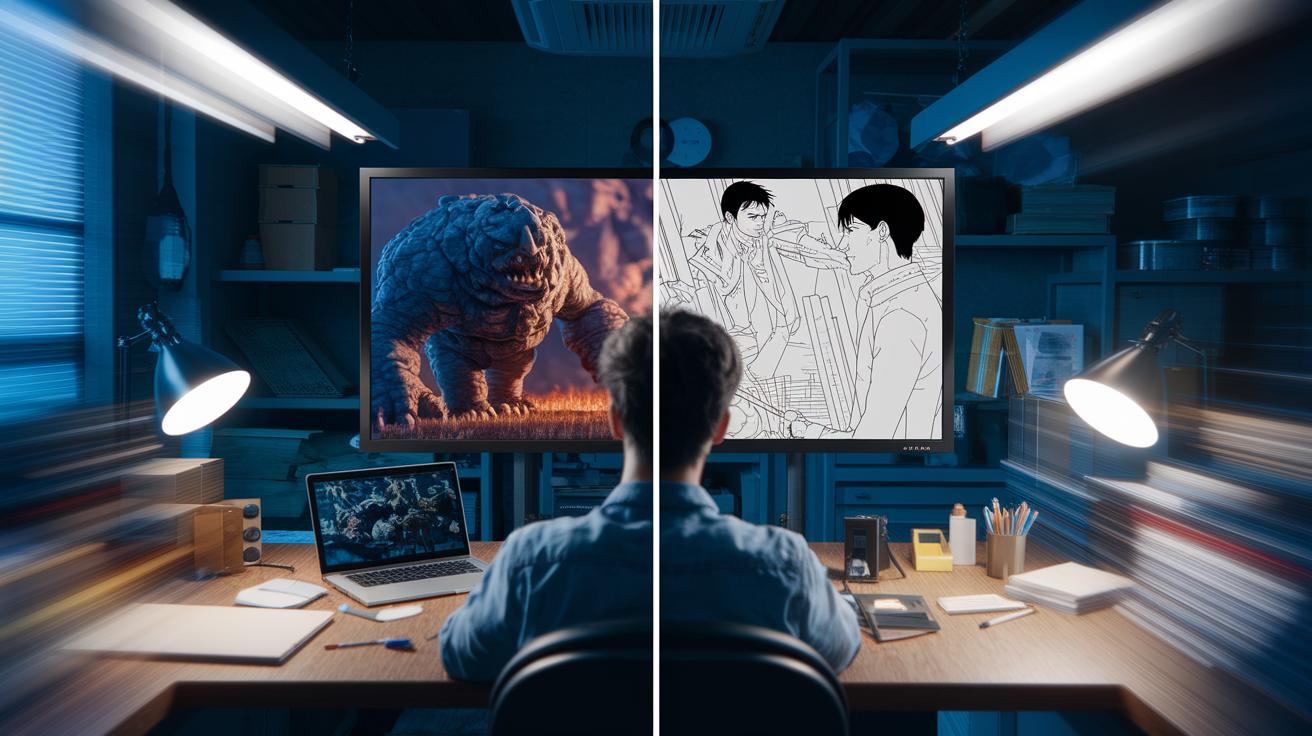
Junji Ito anime adaptations mix detailed manga art with fast-paced screen action. These projects often pack many manga chapters into just one episode, turning slow suspense into quick, tense moments. For example, the 2011 GYO film used CGI (computer-generated imagery) to make strange creature effects that differed from Ito’s hand-drawn style. Meanwhile, the Tomie segment in the 2018 Collection changed some scenes to add more shock and graphic moments.
The Maniac series from 2023 changed the order of events to create a binge-worthy flow. On the other hand, the Uzumaki adaptation slowly reveals its iconic spiral, keeping key images to preserve the eerie feel of the manga. Every adaptation uses its own tricks to bridge drawn panels with animated frames.
Here are some key changes:
| Change Type | Description |
|---|---|
| Pacing Adjustments | Turns drawn-out horror into quick, breath-catching moments. |
| Visual Reinterpretation | Replaces fine line work with bold CGI or hand-drawn textures to create striking scenes. |
| Narrative Condensing | Merges multiple chapters into focused episodes full of impact. |
| CGI Implementation | Uses computer-generated imagery to build monstrous visuals, like in GYO. |
| Scene Ordering | Rearranges events to boost the flow and tension, as seen in Maniac. |
Each approach shows a fresh way to transform static manga panels into dynamic, screen-filling moments.
Junji Ito Anime Adaptations: Production and Creative Process
The GYO film had a rough start. Fans and critics said its rushed production and weak CGI hurt the eerie mood that Ito is known for. Mixing live-action with drawn horror was a tough lesson for future projects.
The Junji Ito Collection by Toho featured several directors, each with a different style. This brought fresh ideas but also led to an uneven tone. Some directors mixed Ito's gross and spooky images with their own stories, which left fans with mixed feelings.
In 2023, Studio Deen took charge of Maniac with a more unified plan. They respected the original anthology style and made sure the sound design stayed steady. Their clear scene changes kept up the tension, showing a great mix of style and storytelling.
Adult Swim and Drive chose a slow-burn style for Uzumaki. They worked closely with Ito's art team to keep the manga's unsettling look. Voice actors were picked to capture the characters exactly, and the music, with its ambient drones, ramped up the suspense. This careful attention to detail helped bring out the chilling feel that fans love.
Junji Ito Anime Adaptations: Fidelity and Stylistic Comparisons
Critics say that some adaptations, like GYO, choose flashy CGI over the slow-building terror fans expect. The monsters end up looking less like Ito’s detailed art and more like generic CGI figures. On the other hand, the Junji Ito Collection simplifies key details, such as sunken eyes and eerie smiles, to make the animation easier on the eyes while still keeping a creepy vibe. Maniac keeps the original panel layouts but smooths out the scene changes, which some feel softens the raw shock of Ito’s work.
Uzumaki really stands out by sticking closely to the spiraling themes that define the manga. The artists used hand-drawn textures to capture those unsettling details, making sure the slow reveal of horror still packs a punch. Meanwhile, adaptations of Tomie take bigger creative risks. They mix up the story order and crank up the violence for extra shock. Think of it like remixing a classic track to give it an unexpected twist.
Each adaptation shows its own style. Some focus on a smooth, flowing story while others pay tribute to Ito’s signature visuals. In every case, there’s a unique mix of staying true to the original intensity and trying out fresh ways to tell the story.
Junji Ito Anime Adaptations: Audience and Critical Reception
GYO (2011) is loved by fans even though its CGI had some hiccups. People appreciate its brave use of computer graphics. Critics say it strayed from Ito's usual style, but it still stands as a bold example in anime horror adaptations.
The Junji Ito Collection got mixed feedback with ratings mostly between 50% and 60%. In one segment, Tomie even scored about 45% on some sites. Viewers felt that while the anthology captured some eerie Ito vibes, its overall tone was a bit uneven.
Junji Ito Maniac (2023) earned around 70% on Rotten Tomatoes. Fans enjoyed its creative anthology style. Still, some viewers mentioned that its atmosphere sometimes missed the chilling impact of the original manga.
Uzumaki (2023) has garnered an impressive 85% thanks to its faithful art and immersive sound design. Fans worldwide praise the limited series for delivering the slow-burn horror and unique visual style of the manga. Its global appeal has boosted interest in Japanese horror, making it a must-watch for both longtime fans and newcomers.
- Fans love GYO's CGI effort despite known issues
- The Collection and Tomie received mixed ratings
- Maniac's creativity was noted despite some mood swings
- Uzumaki is celebrated worldwide for its true-to-form adaptation
Junji Ito Anime Adaptations: Streaming Platforms and Viewing Guide
If you love Junji Ito, this guide will help you build the perfect watch list. You can find the Junji Ito Collection on Crunchyroll and Netflix in some regions. Be sure to check your local shows, as both dubbed and subbed versions are available and release times can change.
Junji Ito Maniac is on Prime Video, but its availability can vary by region. It’s a good idea to verify if your area has access before planning your spooky marathon.
Uzumaki, which captures the eerie vibe of the manga, first aired on Adult Swim’s Toonami and is now available on HBO Max. Watching these series in the order they were released can help you see how the style and storytelling grow over time.
Tips for the best horror experience:
- Check which platforms in your area offer both subbed and dubbed versions.
- Follow the original release order to get the full evolution of the style.
- Set aside a special binge-watch session to fully enjoy every chilling detail.
Final Words
In the action, we traced a wild journey through the evolution of Junji Ito anime adaptations. We broke down the release timeline, dove into production insights, and compared faithful yet creative interpretations. Each adaptation delivered its own blend of eerie visuals, shifting narrative pace, and unique production challenges.
This article not only mapped out the timeline and stylistic twists but also highlighted fan and critic responses in a clear, helpful guide. Enjoy exploring junji ito anime adaptations and keep the horror vibe alive!
FAQ
Q: What anime has Junji Ito adapted?
A: The anime list includes GYO (2011), Junji Ito Collection (2018), Junji Ito Maniac: Japanese Tales of the Macabre (2023), and Uzumaki (2023). These adaptations capture his unique horror style with varied pacing and visuals.
Q: How is the recommended watch order for Junji Ito anime?
A: The suggested watch order is by release date—starting with GYO, then Junji Ito Collection, followed by Maniac, and ending with Uzumaki—to experience the evolution of his adaptations.
Q: Where can I watch Junji Ito anime?
A: You can find Junji Ito adaptations on several platforms. Junji Ito Collection streams on Crunchyroll and Netflix in some regions, Maniac is on Prime Video, and Uzumaki airs on Adult Swim and HBO Max.
Q: What does the term “Junji Ito adaptation” refer to?
A: The term refers to any anime or other media that bring Junji Ito’s horror manga to life, translating his eerie art and storytelling into an animated format.
Q: What is the Uzumaki anime and is it released?
A: The Uzumaki anime is a limited series adaptation noted for its faithful art style and slow-burn narrative. It has already been released on Adult Swim and HBO Max in select regions.
Q: Why did the Uzumaki anime face criticism?
A: The Uzumaki anime was critiqued for its pacing and adaptation choices. While praised for its art and sound design, some viewers felt its slow build did not deliver enough horror intensity.
Q: What is Junji Ito Maniac: Japanese Tales of the Macabre?
A: Junji Ito Maniac is a 2023 animated anthology series adapting multiple horror stories with modern pacing and fluid transitions, though it received mixed reviews for its overall atmosphere.
Q: What is notable about the Tomie segment in Junji Ito adaptations?
A: The Tomie segment, featured in the Junji Ito Collection, is known for taking creative liberties with the original manga and adding graphic violence to intensify the horror experience.
Q: Are Devilman Crybaby, The Grimm Variations, and Yamishibai connected to Junji Ito?
A: These anime are not adaptations of Junji Ito’s work. They are separate horror-themed series, each with its own style and narrative, independent of Ito’s creations.
Q: What is GYO: Tokyo Fish Attack?
A: GYO is the 2011 film adaptation of Junji Ito’s work, recognized for its CGI-driven creature designs and narrative changes, which stirred mixed reactions among fans and critics.